

How to Grow Berries in Oregon: Blueberries, Raspberries & More
There is something especially satisfying about growing berries in your own garden. A handful of warm, sun ripened blueberries eaten straight from the bush, raspberries picked on a summer morning, or strawberries gathered for a homemade shortcake can make all the work of gardening feel worthwhile.
Fortunately, Oregon is an excellent place for growing many types of berries. From blueberries and raspberries to strawberries, blackberries, currants and gooseberries, there are plenty of options for adding edible fruit to your landscape.
The trick is choosing the right berry for your growing conditions and giving it the care it needs from the beginning.
If you are thinking about adding berries to your garden, this guide will help you understand which berries grow well in Oregon, where to plant them, how to prepare the soil, and what you can do to keep your plants productive for years to come.
“The best berry garden starts with the right plant in the right place.”

What Berries Grow Well In Oregon?
Oregon's varied climate makes it possible to grow a surprisingly wide range of berry crops. However, not every berry will perform equally well in every part of the state.
Blueberries, raspberries, blackberries and strawberries are among the most familiar choices for home gardens. Currants, gooseberries and other less common fruits can also be excellent additions.
For gardeners in the Gorge, this is particularly important. Growing conditions can change dramatically over relatively short distances. Elevation, winter temperatures, summer heat, soil type and exposure can all influence how a berry plant performs.
OSU Extension recommends choosing cultivars that are adapted to your particular growing region rather than simply choosing a variety because it is popular elsewhere in Oregon.
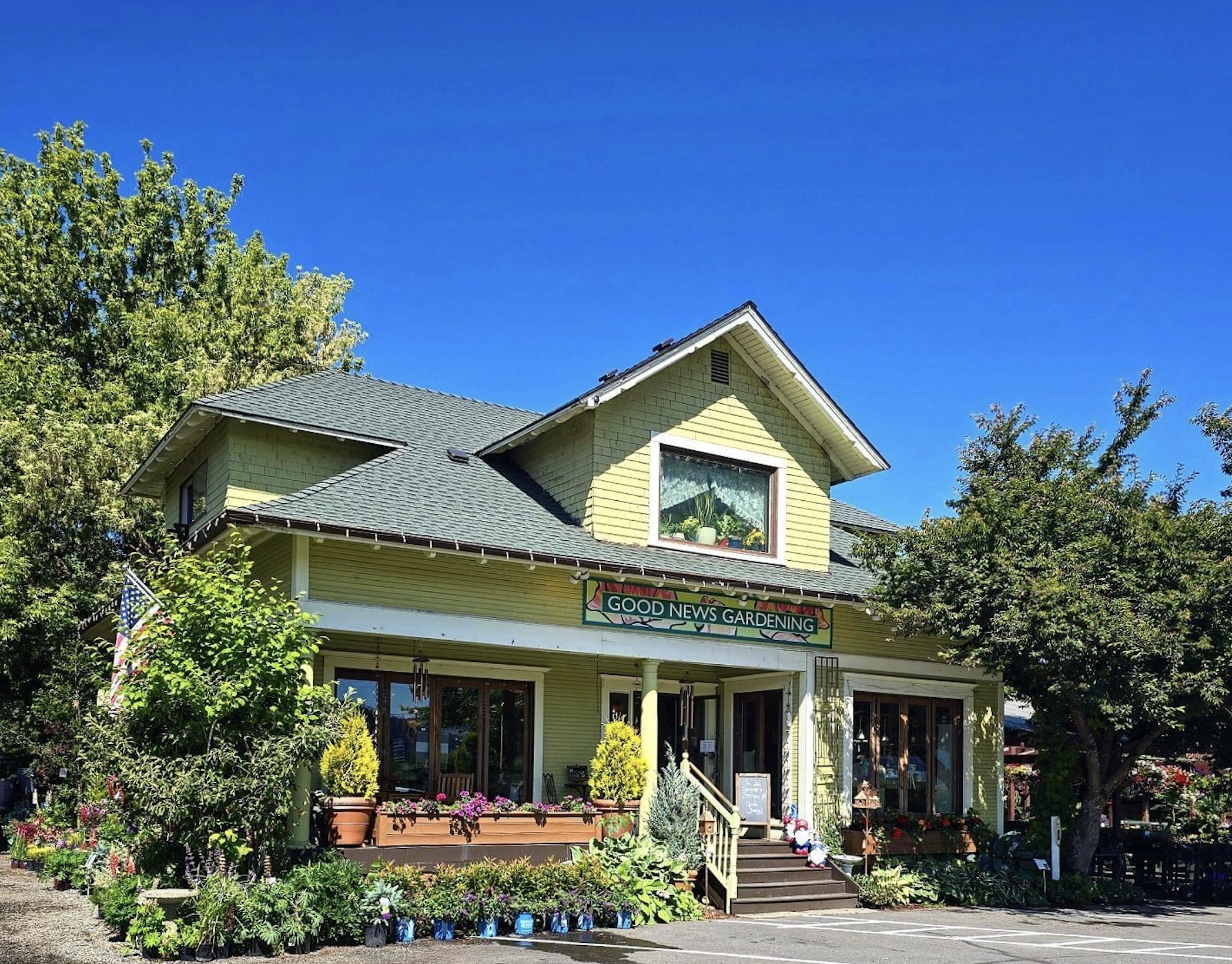
At Good News Gardening, we are always happy to help you choose fruiting plants that make sense for your garden.
Some of the best berry crops to consider include:

Blueberries: Long lived shrubs with beautiful spring flowers and colorful fall foliage
Raspberries: Productive cane berries that can provide an abundant summer or fall harvest
Blackberries: Vigorous plants that are particularly well suited to many Oregon gardens
Strawberries: Compact plants that are excellent for garden beds, containers and smaller spaces
Currants: Hardy shrubs that can tolerate some shade and produce clusters of tart fruit
Gooseberries: Tough, productive shrubs that are well suited to cooler climates
Saskatoons: Attractive landscape shrubs that produce blueberry-like fruit
Choose The Right Location For Your Berry Garden

Before you buy a berry plant, take a look at your garden.
Most berry crops produce their best fruit when they receive plenty of sunlight. A location with approximately six to eight hours of direct sun is a good starting point for many types of berries.
Good drainage is just as important.
Many berry plants are sensitive to consistently wet or heavy soil. Poor drainage can contribute to root problems and can make plants more susceptible to disease.
We recommends full sun and well drained soil for most berry crops.
Think About These Five Things Before Planting
Sunlight: Choose the sunniest practical location for your berries.
Drainage: Avoid areas where water regularly collects after irrigation or rain.
Air circulation: Good airflow can help reduce disease pressure and can also help prevent frost from settling in low spots.
Space: Give mature plants room to grow. A tiny plant at the nursery can become a surprisingly large shrub or cane patch.
Water: Make sure irrigation can easily reach the plants, especially during Oregon's dry summer months.
Garden tip: Before planting a perennial fruit crop, imagine what the space will look like five years from now, not just what it looks like on planting day.

How To Grow Blueberries In Oregon
Blueberries are one of our favorite choices for Oregon gardens, and for good reason.
They produce delicious fruit, look beautiful in the landscape and provide multiple seasons of interest.
Many varieties have white or pink flowers in spring, green foliage throughout summer and brilliant red foliage in fall.
Blueberries are also long lived. With the right conditions, they can remain productive for many years.
The most important thing about growing blueberries...
Soil acidity matters.
Blueberries require acidic soil to grow well. We tend to recommend a soil pH around 4.5 to 5.5 for blueberries. Because that is considerably more acidic than the soil preferred by many other garden plants, blueberries are often best grown in a dedicated bed or container filled with an appropriate acidic growing medium.
A soil test can be especially helpful before planting. If your existing soil is not suitable, raised beds or containers can make it much easier to create the conditions blueberries need.
(Pssst... If you're looking for some more pro tips about preparing your garden bed soil for before planting season, you should check out this article.)
Planting Blueberries
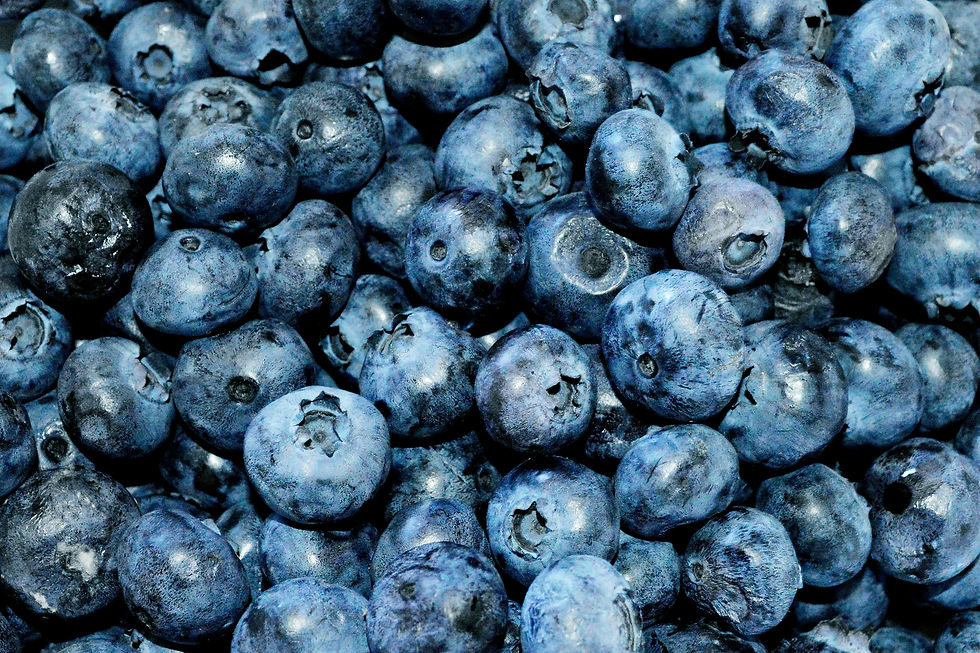
Choose a sunny location with good drainage. Dig a planting area that gives the root system plenty of room to establish, then incorporate appropriate organic matter and amendments based on your soil conditions.
Blueberry roots are relatively shallow, so consistent moisture is important.
A layer of mulch can help keep the root zone cooler and reduce moisture loss during summer.
Avoid cultivating deeply around established blueberry plants. Their shallow root systems can be disturbed easily.
So, Do I Need More Than One Blueberry Bush?
Planting more than one compatible blueberry variety is generally a good idea.
Although many blueberries can produce fruit on their own, cross pollination between compatible cultivars can improve fruit production and berry size.
If you have room, choosing varieties with overlapping bloom and harvest periods can also extend the season.

How To Grow Raspberries
in Oregon
Raspberries are another excellent choice for Oregon gardens.
They are productive, delicious and particularly rewarding when you have enough room to give them their own dedicated planting area.
Unlike blueberries, raspberries grow as canes. The plant has a perennial crown and root system, while individual canes have a two year life cycle.
This is important because raspberries need to be pruned differently depending on the type you grow.
Summer Bearing Vs. Fall Bearing Raspberries
One of the first things to determine when choosing raspberries is when you want your harvest.
Summer bearing, or floricane fruiting, raspberries produce fruit on canes that grew the previous year. Their main harvest generally occurs in early to midsummer.
Fall bearing, or primocane fruiting, raspberries can produce fruit on new canes later in the summer and into fall.
Some primocane varieties can be managed for two crops, while others are pruned for a single larger fall crop.
This distinction matters because pruning recommendations are different for each type.
Give Raspberries Room To Spread
Raspberries can be vigorous.
A dedicated row or bed is often the easiest way to keep them organized. Trellising can also be useful for keeping canes upright, making harvesting easier and improving airflow.
Raspberries need consistent moisture while they are establishing and throughout fruit production. Avoid allowing plants to repeatedly dry out and then become heavily irrigated.
And when those berries finally ripen, pick them frequently.
Ripe raspberries should come away from the plant easily. They are delicate, so shallow containers are preferable to deep buckets that can crush the fruit underneath.

What About Blackberries?
Blackberries are another classic Oregon fruit.
They are vigorous perennial cane berries and can produce substantial crops when they are given the right location and support. Depending on the variety, plants can have erect, semi erect or trailing growth habits.
That means variety selection is especially important.
A blackberry that works beautifully in a large garden can become a little overwhelming in a small backyard if its growth habit is not considered first.
When choosing blackberry plants, think about:
Mature size
Thorned vs. thornless varieties
Erect vs. trailing growth
Available trellising
Winter hardiness
Your local growing conditions
Blackberries generally require pruning and training to keep plants productive and manageable.
Growing Strawberries In Oregon

If you have limited space, strawberries may be one of the easiest berries to add to your garden.
They can be grown in garden beds, containers, raised beds and even dedicated strawberry planters.
There are several types to choose from.
June bearing strawberries produce one main crop, usually concentrated around early summer.
Day neutral strawberries can produce fruit throughout much of the growing season when conditions are favorable.
Everbearing strawberries produce multiple crops rather than one concentrated harvest.
The best choice depends on how you want to use your garden. If you want a large harvest for preserving, June bearing varieties can be appealing. If you prefer to snack on berries throughout the summer, day neutral varieties may be worth considering.
Don't Overlook Currants & Gooseberries

Blueberries and raspberries tend to get all the attention, but currants and gooseberries deserve a place in the Oregon garden too.
One of their biggest advantages is their versatility.
Unlike many fruit crops that need full sun for their best production, currants and gooseberries can tolerate partial or light shade. These beautiful and tasty berries can be a great fruiting filler in gardens where a full sun location is limited.
The fruit is tart and flavorful, making these plants especially useful for jams, jellies, pies, sauces and baking.
They can also be attractive landscape plants rather than simply being treated as food producing crops!
Think beyond the vegetable garden. Berry plants can be beautiful additions to ornamental beds, mixed borders and edible landscapes.
How To Prepare Soil For Berry Plants
Good soil preparation is one of the best investments you can make when planting perennial fruit.
Unlike annual vegetables, berry plants are expected to remain in the same location for years. Taking the time to prepare the planting area before the plant goes into the ground can prevent problems later.
Start by removing competing weeds and grass from the planting area.
Then consider your soil's:
Drainage
Texture
Organic matter
pH
Nutrient levels
A soil test can help identify what your garden actually needs rather than relying on guesswork.
Keep in mind that different berries have different soil requirements. Blueberries are particularly sensitive to soil pH, while other berries are more adaptable.
Watering Berry Plants

Oregon's reputation for rainy winters can make it easy to forget just how dry our summers can become.
Newly planted berry plants need regular irrigation while their root systems become established. Established plants also need consistent moisture during periods of active growth, flowering and fruit production.
The goal is not simply to water frequently. The goal is to keep the root zone consistently supplied with moisture without leaving the soil saturated.
We have a complete Watering Guide on our blog that can help you get a firmer grasp on what kind of watering your berry bushes and vines might need!
Also, important to note that mulching can help.
Organic mulch helps reduce evaporation, moderates soil temperatures and suppresses competing weeds. Just keep mulch from being piled directly against the crown or base of the plant.
Fertilizing Berry Plants
Berry plants need nutrients to produce healthy growth and fruit, but more fertilizer is not necessarily better.
Fertilizer needs vary by crop, soil and plant age. Blueberries in particular should not be fertilized in the same way as a vegetable garden.
A soil test can help guide your approach, while observing your plants throughout the season can provide additional clues.
If your plants are growing poorly, producing unusually small leaves or failing to fruit, do not automatically assume they need more fertilizer. Problems with drainage, soil pH, watering, pests or disease may be responsible.
Healthy plants start with healthy growing conditions, not a bigger handful of fertilizer.

Pruning Berry Plants
Pruning is one of the areas where berry gardening can feel intimidating.
The good news is that it becomes much easier once you understand how your particular plant produces fruit.
Blueberries produce fruit on older wood, so pruning is focused on maintaining a balance of young, productive wood and older branches.
Raspberries are different because their canes have a two year life cycle. Summer bearing and fall bearing varieties are pruned differently.
Blackberries also require pruning and training based on their particular growth habit.
The most important rule is simple:
Know what type of berry you have before you start cutting.
If you are unsure, save the plant tag. Better yet, take a photo of the plant tag when you purchase it. That little bit of information can make future pruning much easier.

When Is The Best Time To Plant Berries In Oregon?
Bare root and container grown berry plants can be planted during different windows depending on the crop, availability and local conditions.
For many perennial fruit plants, planting during the cooler months gives roots time to establish before the stress of summer arrives. However, container grown plants can often be planted during a wider portion of the growing season when they are properly watered.
For gardeners in the Gorge, timing should also be considered alongside elevation and microclimate.
A planting date that works beautifully in lower Hood River may not be ideal in Parkdale or another higher elevation garden.
When in doubt, ask a local garden center.
We know that your garden is not necessarily the same as the garden a few miles away.
Protecting Your Berry Harvest

Once your berry plants start producing, you may discover that you are not the only one who has been waiting for the fruit to ripen.
Birds, insects and other garden visitors can be very enthusiastic berry harvesters.
Bird netting can be used to protect ripening fruit when necessary. Good airflow should still be maintained, and netting should be installed carefully so wildlife does not become trapped.
Regular harvesting also helps. Ripe berries should not be left hanging on the plant indefinitely.
And honestly, the best protection may be to simply check your garden every morning.
You might find that the berries are perfectly ripe.

How Long Does It Take For Berry Plants To Produce Fruit?
This depends on the type of berry and the size and age of the plant when you purchase it.
Some plants will produce a small amount of fruit relatively soon after planting, while others need several years to reach their full potential.
Blueberries, for example, are long lived shrubs that can take several years to reach full production. OSU Extension Service notes that highbush blueberries generally require around six to eight years to reach full production.
Raspberries can establish more quickly, with mature production developing over the first several years.
This is one reason perennial fruit gardening is so rewarding.
You are not simply planting this year's garden.
You are planting something that can feed your family for years to come.
Growing Berries In Oregon Starts With The Right Plant

The best berry garden is not necessarily the one with the most plants.
It is the one with plants that are suited to the location, soil, climate and gardener.
Choose varieties that fit your growing conditions. Prepare the soil before planting. Give perennial plants enough room to mature. Keep them watered during dry weather. Learn how your particular variety fruits before pruning it.
And don't be afraid to start small! One blueberry bush, a short row of raspberries or a few strawberry plants can be enough to get started!
Before long, you may find yourself standing in the garden with a bowl in one hand and a berry in the other, wondering why you did not plant more.
“A garden is never more rewarding than when you can walk outside and eat what you grew.”
At Good News Gardening, we love helping gardeners find plants that will thrive in their own little corner of the Gorge! Stop by and talk with our team about your garden, your growing conditions and what you would like to harvest this season.
Come check out our huge selection of fruiting plants! We aren't just limited to berries. We carry meyer lemons, figs, avocado trees, and more! So if you've been dreaming about starting an edible and beautiful garden... this is your sign! The time is now.
Frequently Asked Questions About Growing Berries In Oregon
What are the easiest berries to grow in Oregon?
Blueberries, raspberries and strawberries can all be excellent choices for Oregon gardens when the right varieties and growing conditions are selected. The easiest option depends on your specific climate, soil and available space.
Can you grow blueberries in the Gorge?
The short answer is obviously yes. If you've explored the area, you know we have several amazing blueberry farms around the Valley. But can you grow them at your property? The answer to that might be a little more complex. It depends on water, sunlight, soil, and more. Come in and bring pictures of your space! We're happy to help you determine what varieties of berries might thrive in your garden space.
Do blueberries need full sun?
Blueberries produce best with plenty of sunlight. Choose a location with good sun exposure and adequate drainage for the strongest growth and fruit production.
How long does it take for blueberries to produce fruit?
Blueberries can produce fruit before reaching maturity, but plants generally take several years to reach full production. Highbush blueberries can require approximately six to eight years to reach full production.
When should you plant raspberries in Oregon?
Raspberries can be planted when conditions are suitable for establishing healthy roots. Planting during cooler weather can give the root system time to establish before the heat and dryness of summer. Local timing should be adjusted for your elevation and microclimate.
Do raspberries need a trellis?
Some raspberry varieties benefit from trellising, particularly when canes become tall or heavily loaded with fruit. Trellising can make harvesting easier and help keep the planting organized.
Can strawberries grow in containers?
Yes. Strawberries are particularly well suited to containers, raised beds and smaller gardens. Choose a sunny location and provide consistent moisture.
What is the best fertilizer for berry plants?
There is not one fertilizer that is best for every berry crop. Fertilizer requirements vary between blueberries, raspberries, strawberries and other fruiting plants. Soil conditions should be considered before choosing a fertilizer.
Can berries grow in partial shade?
Some berries tolerate partial shade better than others. Currants and gooseberries can perform well with partial or light shade, while most berries produce their best fruit with more sunlight.
What berries grow best in the Gorge?
The best berry varieties for the Gorge depend on elevation, exposure, soil and winter temperatures. Because conditions can vary significantly throughout the Hood River Valley and surrounding areas, choosing varieties suited to your specific microclimate is important. Come visit us! We are happy to help you brainstorm what berries might be best for your family and in your space.
Looking for more tips on caring for your indoor and outdoor garden?
You might like...


Comments