

45 Trees to Love in the Columbia River Gorge
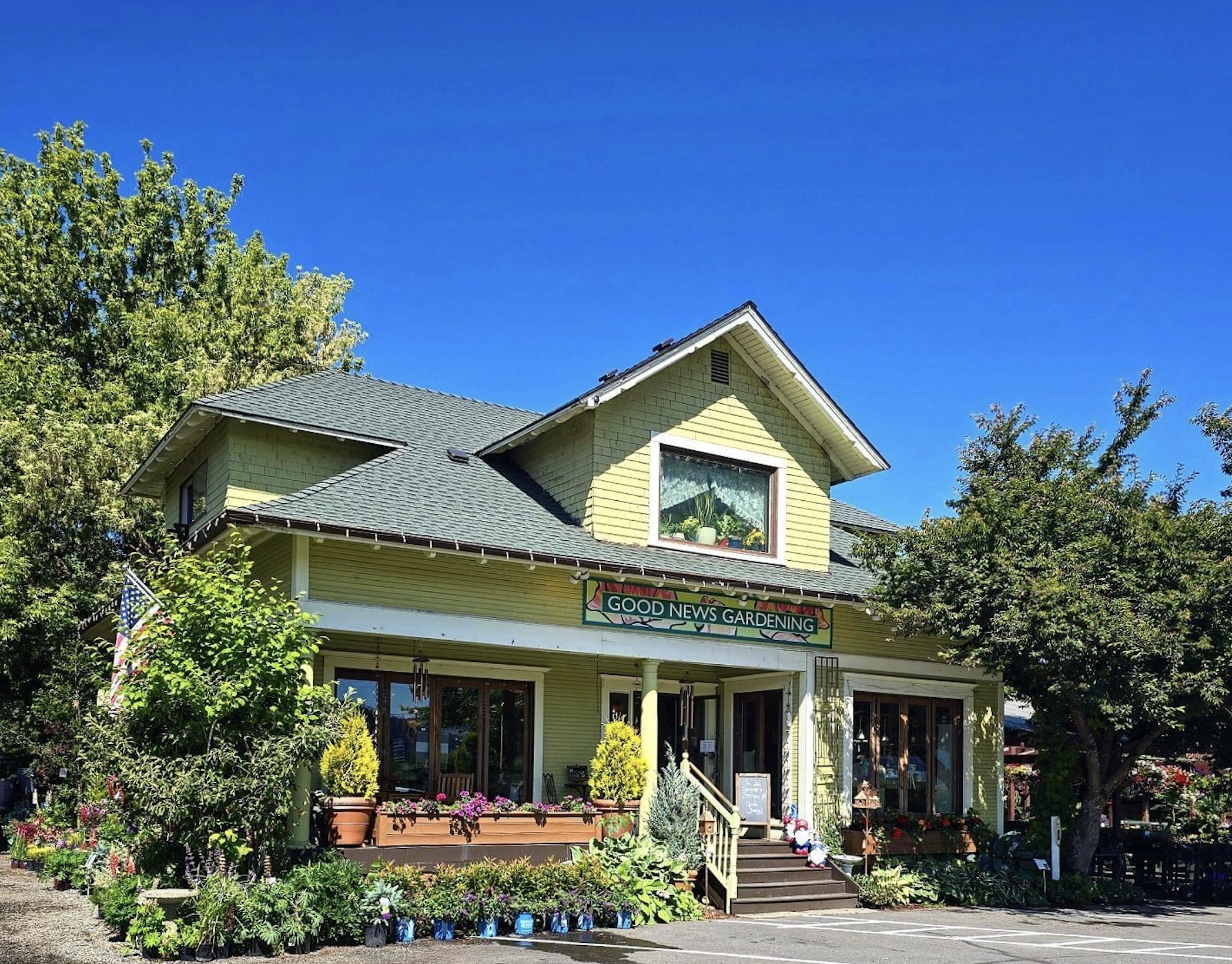
Here's a quick guide on some of our favorite trees, and our tips for helping them thrive in your Columbia River Gorge landscape!
There are few things that change a landscape quite like a tree.
A tree can create shade on a hot summer afternoon, frame a view of the Gorge, screen a neighboring property, bring spring flowers or brilliant fall color, provide habitat for birds and pollinators, or simply give a garden the feeling that it has been there for generations.
And here in Hood River, we have an especially interesting palette of trees to choose from.
Our Columbia River Gorge climate offers plenty of sunshine and a long growing season, but it also asks something of our landscapes. Summers can be dry, winter temperatures can drop, and conditions can change dramatically from one property to the next. A sunny, irrigated garden in town is a very different growing environment from an exposed hillside or a dry property farther up the Gorge.
That is why we love the idea of right tree, right place.
The trees in our current collection offer an incredible range of shapes, sizes, colors and personalities! From flowering cherries and crabapples to rugged pines, elegant birches, classic shade trees and fast-growing evergreens.
And many of them are particularly well suited to the kinds of conditions we encounter here, especially once they are established and planted in an appropriate site.
So whether you're shopping for a tree this season or simply trying to figure out what might work on your property someday, here are 45 trees worth knowing.
Pssst, we have select trees in all of these varieties currently on sale for 40% off!
Flowering Trees & Trees With Seasonal Drama

1. Cardinal Royal Mountain Ash
A graceful, upright tree with dark green compound foliage, silvery leaf undersides and brilliant red fruit clusters, Cardinal Royal Mountain Ash brings a lot of interest to the landscape without feeling ordinary.
Those bright red fruits are particularly beautiful in late summer and fall.
Light: Sun to part shade
Water: Regular moisture while establishing; prefers consistent moisture🌱 Soil: Acidic, well-drained soil is preferred
Care tip: Water deeply and consistently while the tree establishes, particularly through Hood River's dry summer. Mulch the root zone to help conserve moisture, but keep mulch away from the trunk.
Why plant it? For graceful form, unusual foliage and a spectacular late-season display of red fruit.

2. Oak Leaf Mountain Ash
Oak Leaf Mountain Ash gets its name from its distinctive oak-like foliage, giving it a texture that sets it apart from many other ornamental trees.
Spring flowers and colorful fruit extend its interest beyond the growing season.
Light: Full sun
Water: Regular water while establishing; adaptable once established🌱 Soil: Adaptable to many soil types
Care tip: Plant in a sunny location with room for the canopy to develop. Water deeply rather than frequently and monitor the soil during extended summer dry spells.
Why plant it? It's a great choice when you want the presence of a shade tree with more ornamental character.

3. Raywood Ash
Raywood Ash is a standout autumn tree. Its fine-textured foliage develops rich red, burgundy and purple tones that can make the tree a true focal point in fall.
Light: Full sun
Water: Moderate; increasingly drought tolerant once established
Soil: Well-drained soil is best
Care tip: Give it a sunny site with good drainage. Water regularly while young, then gradually reduce irrigation as its root system becomes established.
Why plant it? If fall color is high on your wish list, Raywood Ash deserves a serious look.

4. Weeping Purple Beech
This is a tree that can feel almost sculptural.
Deep purple foliage combines with dramatically cascading branches to create a specimen that looks more like living garden architecture than an ordinary shade tree.
Light: Sun to part shade
Water: Consistent moisture, especially while establishing
Soil: Rich, well-drained soil
Care tip: Give it adequate room for its weeping form and protect it from prolonged drought stress. Keep competing grass away from the root zone.
Why plant it? Purple foliage plus a weeping form makes this one of the most distinctive specimen trees in the collection.

5. Fox Valley Dwarf River Birch
Love birch trees but don't have room for a giant specimen?
Fox Valley Dwarf River Birch offers beautiful peeling bark and the airy character of a river birch in a more compact package.
Light: Sun to part shade
Water: Appreciates regular moisture
Soil: Moist, well-drained soil
Care tip: This is one tree where thoughtful irrigation matters. Don't plant it in a site that will repeatedly bake completely dry during summer. Mulch the root zone to help maintain even moisture.
Why plant it? Beautiful bark and graceful form without committing to the scale of a full-size river birch.

6. Jacquemontii Birch
If you're looking for a tree where the trunk is part of the artwork, Jacquemontii Birch is hard to beat.
Its brilliant white bark becomes especially striking against green foliage and winter skies.
Light: Sun to part shade
Water: Keep roots cool and consistently moist
Soil: Cool, moist, well-drained soil
Care tip: Avoid letting this birch become chronically drought stressed. Deeply water during dry periods and use mulch to moderate soil temperature and moisture.
Why plant it? That unmistakable white bark creates year-round visual interest.

7. Royal Frost Birch
Royal Frost combines two beautiful features: elegant birch bark and rich burgundy-purple foliage.
Light: Full sun to light shade
Water: Regular moisture while establishing
Soil: Moist but well-drained
Care tip: Give it enough sun to develop strong foliage color and don't allow the root zone to dry excessively while the tree is young.
Why plant it? The contrast between pale bark and dark foliage makes this an especially dramatic landscape tree.

8. Northern Catalpa
Northern Catalpa has personality.
Huge, heart-shaped leaves, fragrant white flowers and long seed pods give this classic shade tree a distinctly tropical-looking appearance.
Light: Full sun to part shade
Water: Likes moisture but adapts to both wet and dry conditions
Soil: Deep, well-drained soil is ideal
Care tip: Give catalpa plenty of space and room for its mature canopy. Water deeply during establishment, particularly during hot, dry summers.
Why plant it? Few shade trees have foliage quite like it.

9. Okame Flowering Cherry
Okame Cherry is a spring showstopper, producing rosy-pink flowers before the landscape has fully awakened.
Light: Sun to part shade
Water: Regular moisture while establishing
Soil: Adaptable, but good drainage is important
Care tip: Plant in a sunny, well-drained location and water deeply during the first few growing seasons. Avoid keeping the soil constantly soggy.
Why plant it? Spring flowers, polished reddish-brown bark and attractive fall color give it more than one season of interest.

10. Yoshino Flowering Cherry
The Yoshino Cherry is one of the world's iconic flowering trees.
In spring, its branches become covered in clouds of fragrant white-to-pale-pink blossoms, often appearing before the leaves.
Light: Full sun
Water: Consistent moisture while establishing
Soil: Moist, well-drained soil
Care tip: Give it full sun and excellent drainage. Water consistently while young, but don't create chronically saturated soil.
Why plant it? Few spring displays can match a mature Yoshino Cherry in full bloom.
Flowering Crabapples
Crabapples are some of the hardest-working ornamental trees in the landscape. Depending on the variety, they can give you flowers, foliage, fruit and fall color—all from one relatively manageable tree.

11. Coral Burst Flowering Crabapple
Compact, rounded and covered in beautiful pink flowers, Coral Burst is a wonderful option for a smaller landscape.
Light: Full sun
Water: Moderate; relatively drought tolerant once established
Soil: Adaptable to many soils
Care tip: Establish it with regular deep watering, then reduce supplemental water as the tree matures and proves established.
Why plant it? A smaller tree with a surprisingly big springtime personality.

12. Indian Magic Flowering Crabapple
Indian Magic offers dark pink-red flowers, bronze spring foliage and an impressive crop of persistent red fruit.
Light: Full sun
Water: Moderate; drought tolerant once established
Soil: Adaptable
Care tip: Full sun will help maximize flowering and fruit display. Water deeply during establishment and monitor it during extended summer heat.
Why plant it? Its red fruit can remain on the tree well into the colder months.

13. Indian Summer Flowering Crabapple
Indian Summer keeps the landscape changing: rose-magenta flowers in spring, purple-green summer foliage, bright red fruit and warm fall color.
Light: Full sun
Water: Moderate; regular water during establishment
Soil: Well-drained, moist soil is ideal
Care tip: Give it plenty of sun and keep the soil evenly watered while young. Good drainage is important.
Why plant it? This is a tree for gardeners who want something interesting in more than one season.

14. Snow Drift Flowering Crabapple
Snow Drift produces brilliant white spring flowers followed by persistent orange-red fruit.
Light: Full sun
Water: Regular moisture while establishing
Soil: Moist, well-drained soil
Care tip: Water deeply during establishment and mulch the root zone to help maintain even moisture.
Why plant it? White flowers and warm-toned fruit give you two distinctly different seasons of interest.

15. Zumi Flowering Crabapple
Zumi offers a classic flowering-crabapple combination: abundant spring bloom followed by colorful fruit.
Light: Full sun
Water: Regular moisture during establishment
Soil: Moist, well-drained soil
Care tip: Choose a sunny, well-drained site and water deeply during dry periods while the root system develops.
Why plant it? A beautiful specimen tree for a lawn, cottage garden or mixed landscape.
Shade Trees, Structure & Long-Term Beauty

16. Bald Cypress
Bald Cypress is a fascinating tree: a conifer that loses its needles in winter.
Its soft, feathery foliage turns coppery-bronze in fall before dropping.
Light: Full sun
Water: Adaptable—from moist conditions to periods of dryness once established
Soil: Adaptable; particularly useful where moisture varies
Care tip: Give it room to grow and water deeply while young. Don't assume its moisture tolerance means a newly planted tree can go without supplemental water.
Why plant it? Beautiful texture, unusual seasonal behavior and gorgeous fall color.

17. Emerald Sunshine Elm
Emerald Sunshine Elm is a handsome shade tree with a strong upright form and bright green foliage.
Light: Full sun
Water: Regular moisture while establishing
Soil: Adaptable; well-drained soil preferred
Care tip: Give it adequate room to develop and water deeply during its establishment years. Avoid planting where roots will be permanently confined.
Why plant it? A versatile choice when you want dependable shade and strong structure.

18. Katsura Tree
Katsura is one of those trees people remember.
Its heart-shaped leaves are beautiful, but autumn is when it really surprises you: fallen leaves can produce a sweet fragrance reminiscent of caramel or cotton candy.
Light: Sun to part shade
Water: Likes consistent moisture
Soil: Rich, moist, well-drained soil
Care tip: This is not the tree to put on a neglected, bone-dry site. Give it good soil, consistent moisture and protection from severe drought stress.
Why plant it? Beautiful foliage plus one of the garden's most memorable fall fragrances.

19. Little Leaf Linden
Little Leaf Linden is a classic shade tree with dense foliage and a refined, formal silhouette.
Its subtle, fragrant summer flowers are also appreciated by bees.
Light: Full sun
Water: Moderate; regular moisture while establishing
Soil: Moist, well-drained soil
Care tip: Give it plenty of room and establish it with deep, regular watering. Mulch the root zone and keep competing grass away from the trunk.
Why plant it? Elegant shade, beautiful structure and flowers that benefit pollinators.
Honey Locusts & Black Locust
Honey locusts are particularly interesting for the Gorge because their finely divided foliage creates filtered rather than heavy shade.

20. Honey Locust
Our Honey Locust offers the classic honey-locust look: delicate, fern-like foliage and an airy canopy.
Light: Full sun
Water: Moderate; drought tolerant once established
Soil: Adaptable to a wide range of soils
Care tip: Water deeply during establishment. Once established, allow the soil to dry somewhat between thorough waterings rather than keeping it constantly wet.
Why plant it? Excellent filtered shade without making the garden feel dark and heavy.

21. Imperial Honey Locust
Imperial has a graceful, open canopy and finely divided foliage.
Light: Full sun
Water: Moderate; drought tolerant once established
Soil: Adaptable
Care tip: Establish with regular deep watering, then transition toward less frequent, deeper irrigation as roots mature.
Why plant it? A beautiful shade tree that lets light filter through the canopy.

22. Northern Acclaim Honey Locust
Northern Acclaim brings a strong upright form to the honey locust family.
Light: Full sun
Water: Moderate; increasingly drought tolerant once established
Soil: Adaptable; well-drained preferred
Care tip: Give it sun and good drainage. Pay particular attention to watering during its first several summers.
Why plant it? Fine foliage provides shade without creating a visually heavy canopy.

23. Purple Robe Black Locust
Purple Robe Black Locust is all about the flowers.
Fragrant pink-purple clusters can make this tree spectacular when it comes into bloom.
Light: Full sun
Water: Moderate; drought tolerant once established
Soil: Adaptable, well-drained soil
Care tip: Choose a sunny, well-drained location and avoid overwatering. Establish it with deep irrigation, then allow the root zone to dry somewhat between waterings.
Why plant it? A shade-tree form with an exceptional floral display.

24. Shade Master Honey Locust
Shade Master creates an elegant, filtered canopy with delicate foliage.
Light: Full sun
Water: Moderate; drought tolerant once established
Soil: Adaptable
Care tip: Give it room to develop a broad canopy and water deeply during establishment.
Why plant it? Excellent for creating cooling shade while still allowing light into the garden.

25. Sunburst Honey Locust
Sunburst is one of the more colorful honey locusts. New foliage emerges golden yellow before maturing toward green.
Light: Full sun
Water: Moderate; drought tolerant once established
Soil: Adaptable
Care tip: Full sun helps bring out its best golden color. Water deeply while young and don't crowd its root zone with thirsty lawn.
Why plant it? It turns the arrival of spring into a golden event.
Magnolia, Maple & Oak

26. Bracken's Brown Beauty Magnolia
An evergreen magnolia with glossy green leaves, enormous white flowers and velvety cinnamon-brown leaf undersides, Bracken's Brown Beauty is a tree people notice.
Light: Full sun to part shade
Water: Regular moisture, especially while establishing
Soil: Moist, well-drained soil
Care tip: Give it protection from severe drying and provide regular moisture while
young. Choose a location with enough room for its mature size.
Why plant it? The combination of glossy foliage, huge flowers and cinnamon-brown leaf undersides is exceptional.

27. Armstrong Maple
Armstrong is a narrow, upright maple that makes classic maple character possible in a tighter space.
Light: Full sun
Water: Moderate; regular moisture while establishing
Soil: Adaptable, well-drained soil
Care tip: Use it where you want vertical growth without a very broad canopy. Water deeply during establishment.
Why plant it? A practical choice when you want a maple but have limited horizontal space.

28. Bowhall Maple
Bowhall has a naturally upright, columnar profile and beautiful fall color.
Light: Full sun
Water: Moderate
Soil: Adaptable; good drainage is helpful
Care tip: Give it full sun and avoid sites where water remains stagnant around the roots.
Why plant it? Its narrow form works beautifully along drives, streets and property lines.
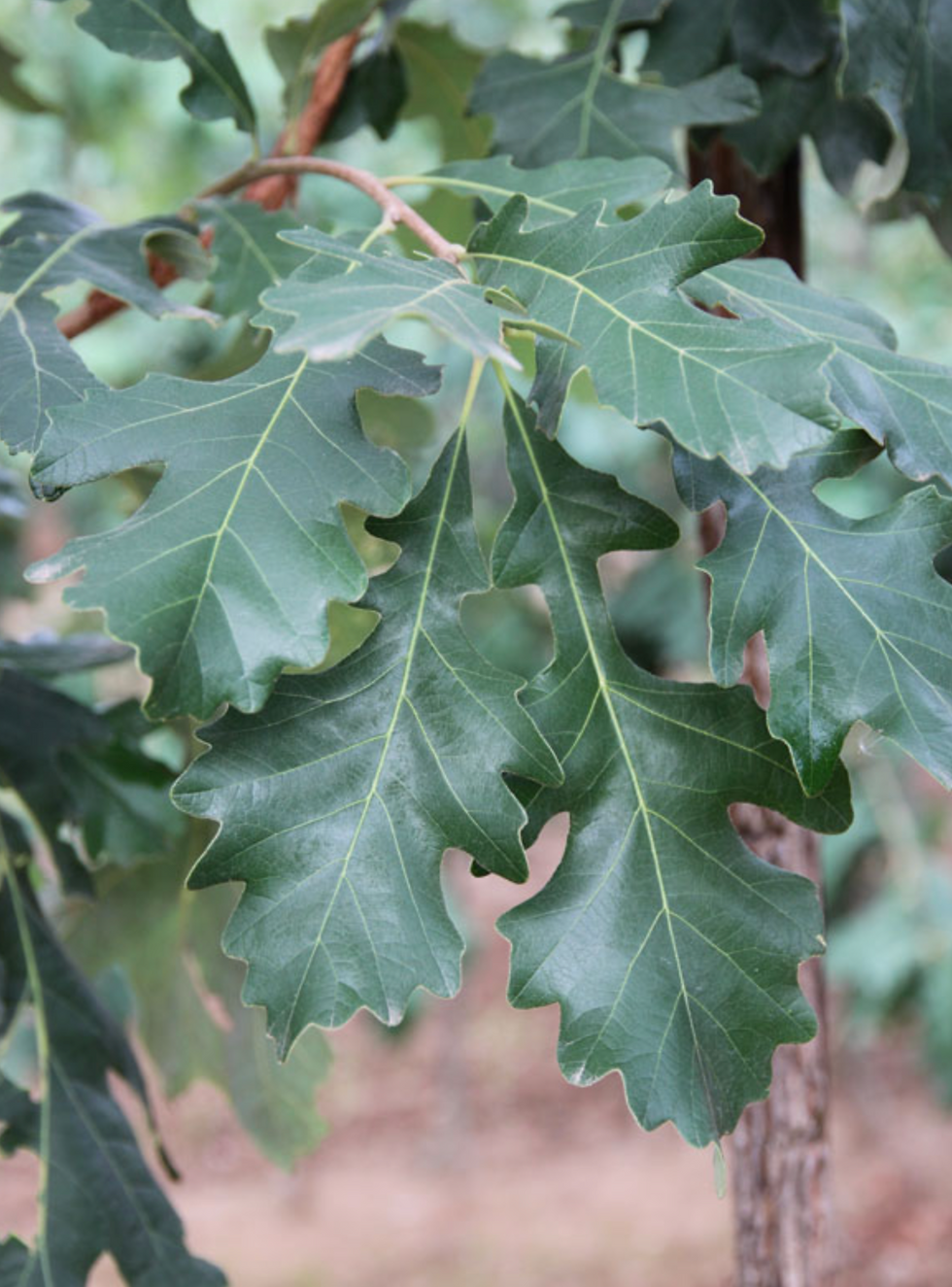
29. Cobblestone Oak
Oaks bring something few other trees can match: a sense of permanence.
Cobblestone Oak is a distinctive landscape tree selected for strong form and long-term presence.
Light: Full sun
Water: Moderate; water deeply during establishment
Soil: Well-drained soil
Care tip: Think about the mature tree before planting. Give it room for both its canopy and roots, and establish it with deep watering rather than frequent shallow irrigation.
Why plant it? You're not just planting a tree—you are planting future landscape character.
Pines for the Western Landscape

30. Austrian Pine
A rugged evergreen with long, dark green needles, Austrian Pine brings substantial year-round presence.
Light: Full sun
Water: Moderate while establishing; drought tolerant once established
Soil: Adaptable, well-drained soil
Care tip: Excellent drainage is important. Water deeply while young, then reduce irrigation as the tree becomes established.
Why plant it? Evergreen structure that looks good in every season.

31. Bosnian Pine
Bosnian Pine has rich green needles and an elegant, dense form.
Light: Full sun
Water: Moderate; drought tolerant once established
Soil: Well-drained soil
Care tip: Plant in sun with good drainage. Avoid keeping the root zone persistently wet.
Why plant it? Excellent year-round structure without feeling excessively bulky.

32. Green Tower Black Pine
Green Tower Black Pine brings strong vertical presence in a narrow, upright package.
Light: Full sun
Water: Moderate; drought tolerant once established
Soil: Well-drained soil
Care tip: Choose a sunny site with excellent drainage and water deeply during establishment.
Why plant it? A great solution when you want an evergreen exclamation point without a wide footprint.

33. Ponderosa Pine
Ponderosa Pine is a quintessential Western tree.
Long needles, rugged bark and an open, natural character make it especially appropriate for landscapes where you want a strong connection to the surrounding Western landscape.
Light: Full sun
Water: Moderate while establishing; drought tolerant once established
Soil: Well-drained soil
Care tip: Don't overwater. Give it excellent drainage and deep irrigation during establishment, then let it become increasingly independent as its root system develops.
Why plant it? It's a tree that feels completely at home in the American West.
Flowering Plums & Small Ornamental Trees

34. Crimson Point Flowering Plum
Crimson Point combines an upright, narrow habit with rich purple foliage.
Light: Full sun
Water: Regular moisture while establishing
Soil: Well-drained soil
Care tip: Plant in full sun for the strongest foliage color and water deeply during establishment.
Why plant it? Strong ornamental color without requiring a huge footprint.

35. Thundercloud Flowering Plum
Thundercloud is another dramatic purple-leaved ornamental, combining deep foliage color with spring flowers.
Light: Full sun
Water: Moderate; regular moisture while establishing
Soil: Well-drained soil
Care tip: Full sun will help maximize foliage color. Water deeply while the tree is establishing and avoid persistently soggy soil.
Why plant it? It creates a dramatic contrast against the greens of a typical garden.

36. Lance Leaf Poplar
Fast-growing, tall and naturally upright, Lance Leaf Poplar is a choice for people who want height.
Its narrow leaves create a distinctive texture.
Light: Full sun
Water: Regular water during establishment
Soil: Moist, well-drained soil
Care tip: Because it grows quickly, establish it well with regular deep watering. Give it plenty of space and consider its eventual height before planting.
Why plant it? A strong vertical presence when you want to create height relatively quickly.

37. Japanese Snowbell
Japanese Snowbell is a graceful smaller tree with elegant white bell-shaped flowers hanging beneath its branches.
Light: Sun to part shade
Water: Consistent moisture while establishing
Soil: Rich, moist, well-drained soil
Care tip: Choose a site where the soil can remain evenly moist without becoming waterlogged. Mulch the root zone and water deeply during dry weather.
Why plant it? It's a beautiful tree for enjoying up close, particularly when flowering.
Spruce & Thuja for Evergreen Structure

38. Foxtail Colorado Spruce
Foxtail Colorado Spruce brings classic spruce character with dense, distinctive foliage and an architectural silhouette.
Light: Full sun
Water: Moderate; don't allow newly planted trees to dry out
Soil: Well-drained soil
Care tip: Water thoroughly during establishment, especially through summer, while maintaining good drainage.
Why plant it? Year-round evergreen structure with strong architectural character.

39. Green Giant Arborvitae
Green Giant is a favorite for privacy because it combines fast growth, dense evergreen foliage and a naturally conical form.
Light: Full sun to part shade
Water: Regular moisture while establishing
Soil: Moist but well-drained
Care tip: Plant with enough spacing for mature width rather than treating it like a hedge that can be planted inches apart. Water deeply and consistently while establishing.
Why plant it? Fast-growing evergreen screening and year-round structure.

40. Plicata Excelsa Western Red Cedar
Western Red Cedar brings unmistakable Pacific Northwest character.
Its lush evergreen foliage and upright form make it a beautiful choice for privacy, screening and year-round structure.
Light: Sun to part shade
Water: Regular moisture; appreciates consistent moisture
Soil: Moist, well-drained soil
Care tip: Don't put a young cedar on a site where summer drought will be ignored. Establish it with deep, regular watering and mulch the root zone.
Why plant it? It's a beautiful way to bring Northwest evergreen character into a home landscape.

41. Spring Grove Western Red Cedar
Spring Grove is a dense, upright evergreen with lush foliage and excellent landscape presence.
Light: Sun to part shade
Water: Regular moisture while establishing
Soil: Moist, well-drained soil
Care tip: Give it consistent moisture while establishing and plenty of room for its mature size.
Why plant it? A strong choice for evergreen screening and year-round structure.

42. Steeplechase Western Red Cedar
Steeplechase is particularly useful where you want vertical privacy without a huge horizontal footprint.
Its narrow, upright form is paired with lustrous dark green foliage.
Light: Sun to part shade
Water: Regular moisture while establishing
Soil: Moist, well-drained soil
Care tip: Plant it where it can grow upward without becoming crowded by buildings or other trees. Keep moisture consistent during establishment.
Why plant it? Narrow, elegant evergreen screening.
Three Bonus Trees Worth Knowing

43. Emerald City Tulip Tree
The Emerald City Tulip Tree is a tree for the future.
Its large, unusual leaves and tulip-shaped flowers give it plenty of personality, while its mature size makes it a true shade-tree investment.
Light: Full sun
Water: Regular moisture while establishing
Soil: Deep, moist, well-drained soil
Care tip: Give it substantial growing room from the beginning. Establish it with deep, regular watering and don't plant it where the mature canopy will conflict with buildings or utilities.
Why plant it? Mature tulip trees can be spectacular—and this is a tree to plant with the next several decades in mind.

44. Hakuro Nishiki Willow
Hakuro Nishiki is all about color.
New foliage emerges pink and white before maturing toward green, creating a tree that looks almost painted.
Light: Full sun to part shade
Water: Appreciates consistent moisture
Soil: Moist soil is ideal
Care tip: This is a good candidate for a well-irrigated garden or naturally moist location. Don't let it repeatedly dry out during summer.
Why plant it? Few trees offer such an unusual combination of pink, cream and green foliage.

45. Wireless Zelkova
Wireless Zelkova is a refined shade tree with an upright habit and attractive foliage.
It makes a handsome alternative when you're looking for something long-lived and architectural but want a silhouette that's a little more distinctive.
Light: Full sun
Water: Moderate; water regularly while establishing
Soil: Adaptable, well-drained soil
Care tip: Give it room to mature and establish it with deep watering. Once established, adjust irrigation to the site's soil and exposure rather than watering automatically on a fixed shallow schedule.
Why plant it? A beautiful combination of structure, foliage and long-term landscape value.
A Note About Water: Establishment Is Everything
One of the most important things to understand about buying a larger landscape tree is that “drought tolerant” does not mean “doesn't need water.”
A newly planted tree has lost much of the root system it had in the nursery and needs time to establish new roots in its new home. We recommend routine, thorough watering for newly planted trees, particularly during Oregon's dry summer months.
For most newly planted trees, the goal is deep, thorough watering rather than frequent shallow watering.
Check the soil several inches down before watering. If it is dry or only slightly damp, it's time to water. Sandy or fast-draining soils may need more frequent irrigation than heavier soils.
A few basic rules make a tremendous difference:
Water deeply.
Don't simply sprinkle the surface around the trunk. Water slowly enough that moisture penetrates deeply into the root zone.
Keep an eye on the soil.
Your tree's actual watering needs will depend on soil type, weather, exposure, tree size and species. There is no single timer setting that works for every property.
Mulch the root zone.
A layer of coarse organic mulch helps conserve moisture and moderate soil temperatures. Keep mulch away from direct contact with the trunk.
Don't let grass compete with your new tree.
Grass can compete heavily for water and nutrients. Keeping a mulched area around the tree gives the young root system a much better chance to establish.
Think about the mature tree.
That little tree at the nursery may eventually be 30, 50 or even 100 feet tall. Before planting, consider mature height and width, overhead utilities, buildings, driveways, sidewalks, neighboring properties and available root space. We recommend letting the planting site dictate tree selection rather than choosing the species first and trying to force it into an unsuitable location.
The Right Tree for the Right Gorge Property
There isn't one perfect tree for Hood River.
There is a perfect tree for your particular piece of Hood River.
A sunny, irrigated lawn might be perfect for a flowering cherry.
A dry, open property might point you toward a Ponderosa Pine, honey locust or another tree with good drought tolerance once established.
A moist garden might be a wonderful home for a birch, Katsura or Japanese Snowbell.
A narrow property might call for Armstrong Maple, Bowhall Maple, Green Tower Black Pine or Steeplechase Western Red Cedar.
And if privacy is the goal, our Western Red Cedars and Green Giant Arborvitae offer several ways to create evergreen screening.
That's the fun of having 45 trees to choose from! You're not just shopping for "a tree." You're choosing shade, privacy, flowers, fall color, habitat... You're choosing what your landscape will look and feel like years from now!
Come Find Your Tree at Good News Gardening
Our Big Tree Sale features all 45 of these trees, with something for almost every kind of landscape! From small ornamental specimens to future shade trees and evergreen screens.
Save 40% on select trees August 22–September 7! Each of the varietals listed above have one or two mature trees on sale.
And remember: free delivery within city limits is available August 31 and September 7.
If you're not sure which tree is right for your property, come talk with us.
Bring questions about your sun exposure, soil, irrigation, available space and what you want the tree to accomplish. We'll help you think through the options.
Because a great tree isn't just something you buy... It's something you live with for years.
Come find the one that's right for your landscape.
Good News Gardening — growing good things for the Gorge.


Comments