

Soil Health 101: The Foundation of Every Successful Garden

If you've ever wondered why one garden seems to thrive while another struggles despite receiving the same water and sunlight, the answer is often found below the surface.
Healthy soil does much more than hold plants upright. It stores water, delivers nutrients, supports beneficial microorganisms, and creates the conditions plants need to grow strong roots. Whether you're growing tomatoes, flowers, fruit trees, or houseplants, healthy soil is the foundation of a successful garden.
The Good News is that soil health can be improved over time. Even challenging soils can become productive with the right approach.
What Is Soil Health?
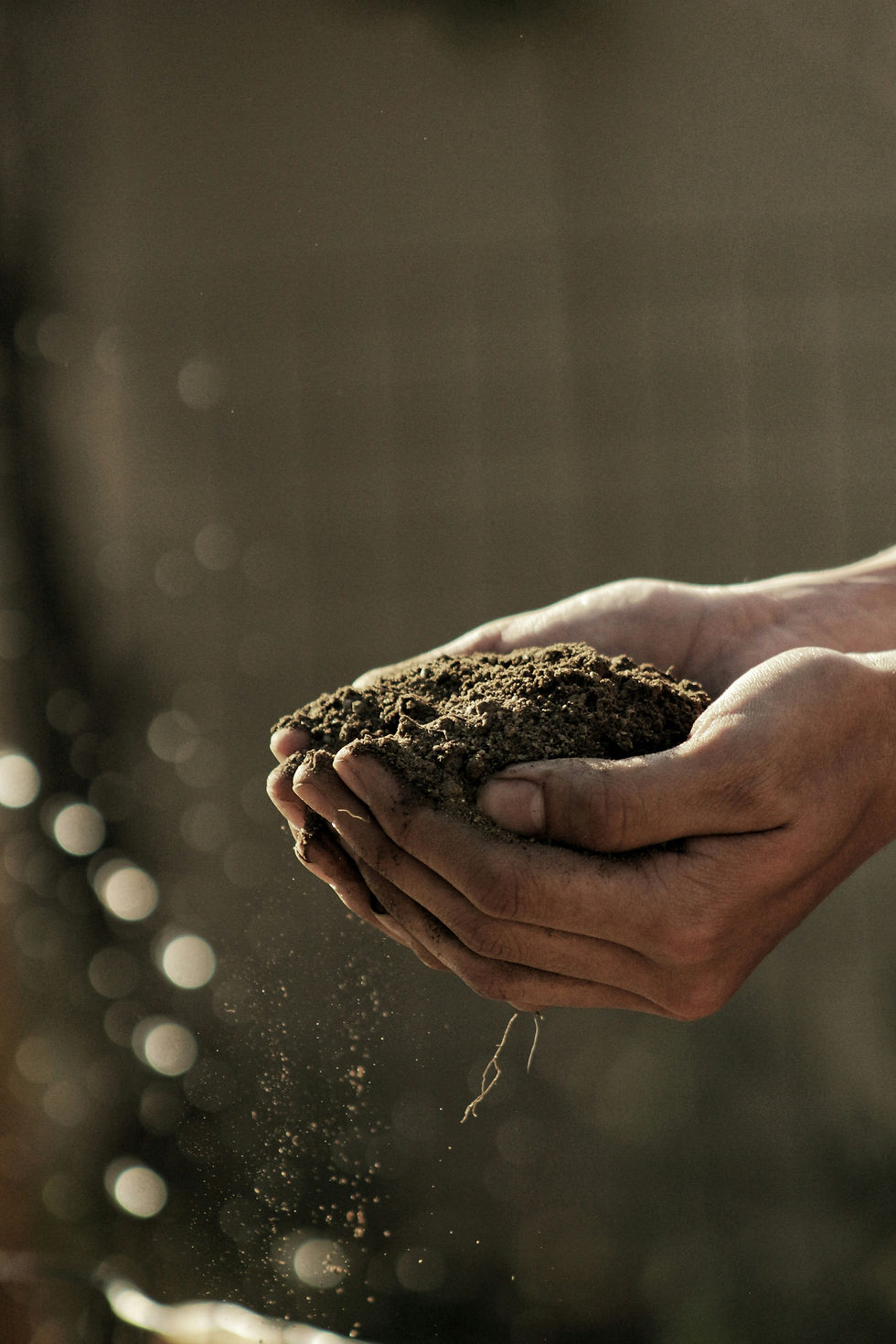
Soil health refers to the soil's ability to function as a living ecosystem that supports plants, microbes, insects, and other organisms.
Healthy soil contains four primary components:
Mineral particles such as sand, silt, and clay
Organic matter from decomposed plants and animals
Air spaces that allow roots and microbes to breathe
Water that delivers nutrients throughout the soil profile
When these components are balanced, plants can access the nutrients and moisture they need while developing strong root systems.

Why Soil Health Matters
Many gardeners focus on fertilizers when plants struggle. While fertilizers have their place, they cannot solve underlying soil problems.
Healthy soil provides benefits that fertilizers alone cannot deliver.
Better Water Retention
Healthy soil acts like a sponge. It absorbs water during irrigation or rainfall and slowly releases it to plant roots.
This becomes especially important during the hot summer months when water conservation matters.
Stronger Root Development
Roots need oxygen just as much as they need water. Compacted soil can restrict root growth and limit access to nutrients.
Healthy soil contains plenty of pore spaces that allow roots to expand naturally.
Improved Nutrient Availability
Nutrients are only useful if plants can access them. Healthy soil supports beneficial microbes that help convert nutrients into forms plants can absorb.
Healthy soil also supports healthier flowers and stronger blooms, which can help support bees, butterflies, and other beneficial insects. Learn more in our guide on How to Attract Pollinators to Your Garden.
Increased Resistance to Stress
Plants growing in healthy soil tend to handle drought, heat, pests, and disease more effectively than plants growing in poor soil.

Signs Your Soil Might Need Some Improvement
Many gardeners are surprised to learn that their soil is sending signals long before plants begin failing.
Common signs of poor soil health include:
Water pooling on the surface after irrigation
Soil that becomes hard and compacted
Plants that remain stunted despite fertilizing
Yellowing leaves
Poor vegetable production
Excessive weed pressure
Soil that dries out very quickly
If you've noticed any of these issues, improving soil health should be your first step.
The Secret Ingredient: Organic Matter
If there is one thing that improves nearly every soil type, it is organic matter.
Organic matter includes materials such as:
Compost
Earthworm castings
Aged manure
Leaf mold
Decomposed plant material
Organic matter helps sandy soils hold moisture and helps clay soils drain more effectively.
It also feeds beneficial microbes that keep soil ecosystems functioning properly. Adding organic matter consistently is one of the best long term investments you can make in your garden.
If you're starting with compacted soil or a new garden bed, our Spring Soil Prep Guide walks through the steps we recommend before planting.

Understanding Soil Microbes
Healthy soil is alive.
A single teaspoon of healthy garden soil can contain billions of microorganisms. These bacteria, fungi, and other microscopic organisms perform essential functions that help plants thrive.
Beneficial microbes:
Break down organic matter
Release nutrients for plant uptake
Improve soil structure
Help suppress certain soil borne diseases
Form partnerships with plant roots
When gardeners focus on feeding the soil rather than simply feeding plants, these microbial communities begin doing much of the work naturally.
Building a healthy garden ecosystem doesn't stop below ground. Beneficial insects play an important role as well. Our guide on Natural Pest Control with Ladybugs explains how to manage common garden pests without harsh chemicals.
How Mulch Improves Soil Health
Many gardeners think of mulch as a way to suppress weeds, but it offers much more than that.
Not all mulches perform the same way. Some break down quickly and enrich the soil, while others last longer and provide better weed suppression. Our guide on Mulch & Its Benefits can help you decide which option fits your landscape
Organic mulches gradually break down and contribute organic matter to the soil.
Benefits of mulch include:
Reduced water evaporation
More consistent soil temperatures
Improved microbial activity
Less erosion
Increased organic matter over time
A layer of bark mulch around trees, shrubs, and perennial beds can dramatically improve soil conditions over several growing seasons.
Should You Till Your Soil?
This question comes up frequently.
While tilling can help prepare new planting areas, excessive tilling can disrupt soil structure and microbial communities.
Whenever possible, consider adding compost and organic amendments to the surface and allowing earthworms, water, and natural processes to incorporate them over time.
Less disturbance often leads to healthier soil biology.
Soil Health for Vegetable Gardens
Vegetable gardens place high demands on soil because crops remove nutrients each season.
To keep vegetable beds productive:
Add compost annually
Rotate crops when possible
Mulch exposed soil
Avoid walking in planting beds
Replenish nutrients with organic amendments
Test soil periodically
Healthy vegetable garden soil should feel loose, crumbly, and easy to work.
The Best Way to Improve Soil Health
Gardeners often ask for the fastest way to improve soil.
The truth is that soil health is built over time through consistent practices.
Focus on these five habits:
Add compost regularly.
Use mulch to protect soil.
Minimize unnecessary tilling.
Avoid soil compaction.
Feed the soil with organic matter.
Small improvements made each season can produce dramatic results over several years.

Soil Health Products We Recommend
Different gardens have different needs, but some of our favorite tools for building healthy soil include:
Compost
Earthworm castings
Soil Booster
Raised Bed and Potting Mix
Planting Compost
Aged manure products
Organic fertilizers
If you're unsure what your soil needs, stop by and we'll help you choose the right amendment for your garden.
Frequently Asked Questions About Soil Health
How long does it take to improve soil health?
Many gardeners notice improvements within one growing season, but significant changes often occur over several years of consistent soil building practices.
Is compost enough to improve soil?
Compost is one of the best tools available, but combining compost with mulch, organic fertilizers, and good watering practices will produce the best results.
Can clay soil become healthy soil?
Absolutely. Clay soil often contains valuable nutrients. Adding organic matter regularly can improve drainage, structure, and root growth over time.
Should I add compost every year?
Yes. Annual compost applications help replenish organic matter and support beneficial soil life.
Should I test my soil?
A soil test can reveal nutrient deficiencies, pH imbalances, and other issues that may be limiting plant growth. So if you'd like to do an even deeper dive on your soil health, we highly recommend starting with a soil test.
Healthy Plants Start With Healthy Soil
Every thriving garden begins below ground.
When gardeners focus on building healthy soil, many common plant problems become easier to manage. Plants grow stronger, watering becomes more efficient, and gardens become more resilient through changing weather conditions.
Whether you're growing vegetables, flowers, trees, or shrubs, investing in soil health is one of the most valuable things you can do for your garden.
If you have questions about your soil, bring them to Good News Gardening. We'd be happy to help you create a plan for healthier soil and healthier plants.
If you'd like to learn more of our favorite gardening tips, head to our blog to read more informational posts: just click here!


Comments