

Fall Garden Prep Guide: What to Do Before Winter Hits
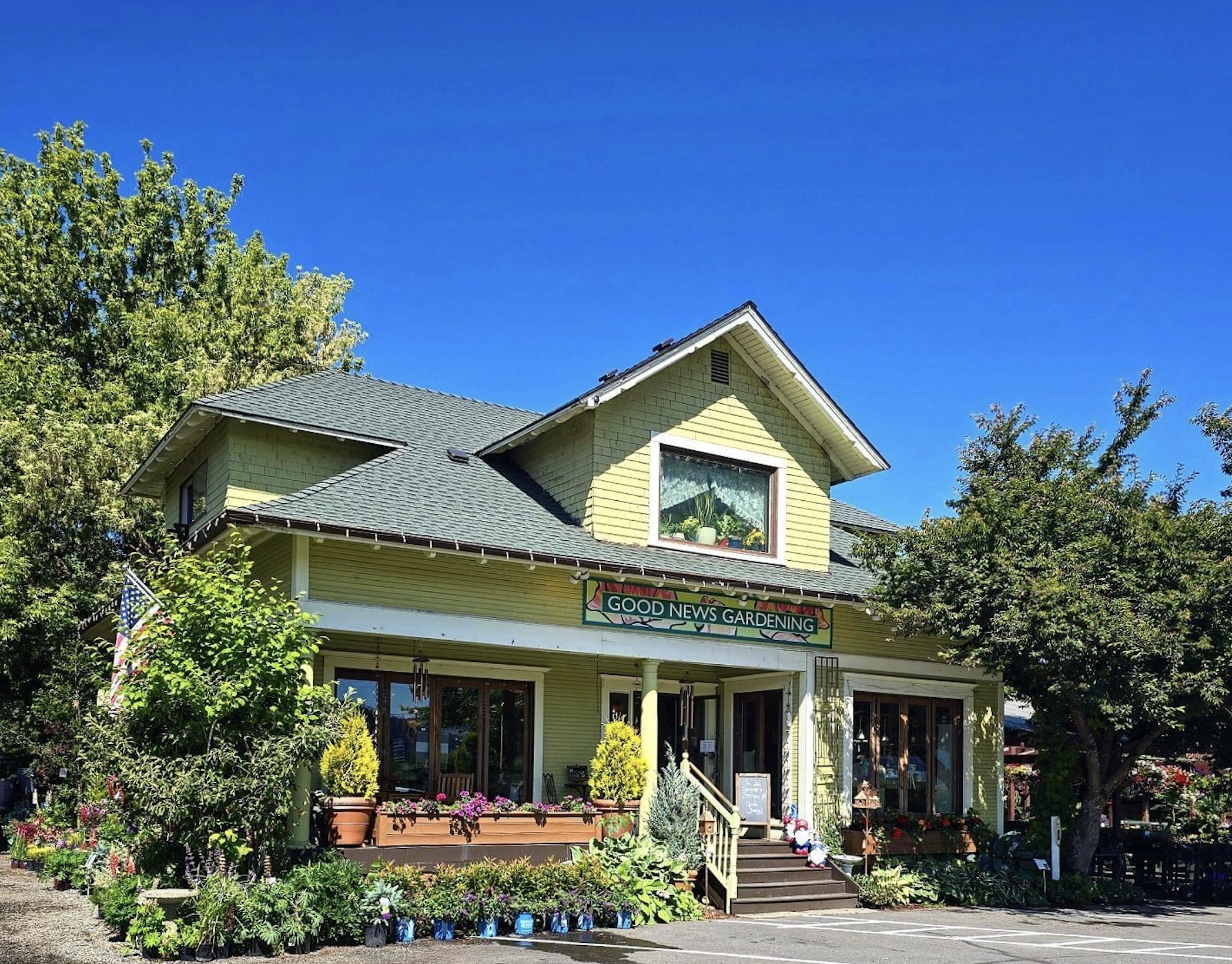
There’s a particular feeling that comes with gardening in September. The tomatoes are still producing, the dahlias are putting on their final show, and there are probably more weeds than you’d care to admit. At the same time, the mornings are cooler, the days are getting shorter, and you can feel the garden beginning to shift toward its winter rhythm.
Fall is not the end of the gardening season, though. In many ways, it’s one of the most important times to set yourself up for the year ahead.
A little fall garden prep now can mean healthier soil, better-protected plants, fewer weeds, and a much easier start to spring. It’s also the perfect time to plant spring-flowering bulbs, divide certain perennials, add organic matter, protect tender plants, and take care of the garden infrastructure that’s been working hard all summer.
And if you’re gardening here in the Columbia Gorge, you already know that winter doesn’t necessarily mean any one thing. We can have cold temperatures, wind, rain, snow and those wonderfully unpredictable stretches of really mild weather.
Preparing for winter is less about trying to protect every plant from every possible weather event. It's a lot more about giving your garden the conditions it needs to ride out the season.
So grab your gloves, make a cup of something warm, and let’s get the garden ready for its winter rest!

1. Start With a Good Garden Cleanup
Fall cleanup doesn’t have to mean making your garden perfectly bare.
In fact, leaving some plant material standing can be beneficial for overwintering insects, birds and other garden wildlife. Seed heads can provide food, and hollow stems can provide shelter for insects. There’s no need to cut everything down the moment the calendar says September.
What you do want to remove is plant material that is diseased, infested or otherwise likely to cause problems next year. Pull out any spent annual vegetables and flowers that are finished producing and will start to rot as the weather gets wetter.
Remove fallen fruit from around fruit trees, especially if it’s diseased or damaged. Clear away tomato, squash, cucumber and pepper plants once they’re finished for the season if they’re showing any signs of disease. Even if it's mild, these plants can be susceptible to things like rust and mildew in moist conditions. It's best to get rid of them early!
Healthy plant material can often go into the compost pile, but diseased plants are better disposed of in the trash where they can't contaminate next year's garden soil.
This is also a good time to clean up stakes, trellises, tomato cages and other garden supports. Brush off soil, rinse them well and let them dry before storing them for the winter. You’ll be so glad you did when spring arrives and you can pull everything out ready to go instead of wondering what happened to the tomato cages!
One of our favorite garden rules is simple: clean up any problems, but don’t feel like you have to totally erase the personality of your garden.
Leave a few seed heads. Keep interesting stems standing. Let the garden look like a garden.
2. Give Your Soil Some Attention

If plants are the stars of the garden, soil is doing a tremendous amount of behind-the-scenes work.
Fall is an excellent time to improve your soil because you can add organic matter before the next growing season and let winter weather, moisture and soil organisms do some of the work for you.
A little PSA: adding compost is one of the simplest ways to build organic matter and improve the overall condition of garden soil.
Compost can help improve soil structure, water-holding capacity and nutrient availability while supporting the living organisms that make healthy soil possible. Compost can include things like chicken and steer manure, which we keep in stock!
If your beds are looking tired after a long growing season, spread a layer of finished compost over the surface and gently incorporate it where appropriate.
You don't need to aggressively turn the entire garden upside down with heavy tilling. In many situations, simply adding organic matter to the surface and allowing it to work its way down over time is a perfectly reasonable approach.
The Soil Health Institute is a useful resource if you want to dig deeper into the science of soil health and the role organic matter plays in productive soils.
Our pro tip to remember is that more fertilizer isn't always the answer. If you’re unsure what your soil actually needs, a soil test can tell you much more than guessing based on how your plants looked this summer. Fertilizer is most useful when it addresses an actual nutrient need rather than simply being added because “fall means fertilizing.”
At Good News Gardening, we’re happy to help you talk through what your garden needs, whether that means compost, fertilizer, soil amendments or another approach.
3. Mulch Before Winter

Mulch is one of those garden materials that does a lot of work behind the scenes: much more than you might think!
A good layer of organic mulch can help moderate soil temperatures, conserve moisture, suppress weeds and gradually add organic matter as it breaks down.
Fall is a particularly good time to refresh mulch around established trees, shrubs, perennials and other plants that will remain outdoors through winter.
Leaves can make excellent mulch, too. If you have a mountain of them every fall, consider shredding them rather than sending them away. They can become valuable organic matter for your garden.
Just don't pile mulch directly against the trunks of trees or stems of shrubs. Leave a little breathing room around the base of the plant. That volcano-shaped mound of mulch you sometimes see around trees might look tidy, but it can create moisture and disease problems and encourage unwanted pests.
The goal is a cozy fall blanket, not necessarily "buried."
4. Protect Plants That Need a Little Extra Help

Not every plant needs winter protection, and trying to wrap the entire garden in plastic definitely isn't the goal.
Lots of plants will die off with frost and come back full and strong in the spring! Instead, think about which plants are vulnerable.
Young plants, newly planted perennials, tender shrubs and plants growing near particularly exposed areas may benefit from some additional protection. Wind can be especially tough on evergreen plants because foliage continues losing moisture even when the ground is cold.
Make sure newly planted trees and shrubs go into the winter well watered, if you live in an area where the conditions are dry. Once the ground freezes, plants can't take up water normally, so going into winter without adequate moisture can put additional stress on them.
For smaller plants and winter veggies we always recommend things like row covers, low tunnels, and frost cloth. This can help protect crops from frost and cold weather. High tunnels and greenhouse structures can extend the growing season even further if you want to keep things blooming and harvesting past the first frost.
This is one place where having the right materials on hand before the first serious weather event makes a big difference.
If you’re planning winter protection, we carry garden materials such as landscape fabric, weed barrier, reemay, greenhouse tunnel supplies and other bulk garden materials to help you prepare your garden for the season ahead!
5. Don’t Forget the Garden Infrastructure

Your plants aren't the only things that need to make it through winter.
Take a walk around the garden and look at everything you've used throughout the growing season.
Check irrigation lines and timers. Empty and store hoses where appropriate. Clean and sharpen pruning tools. Secure trellises and plant supports that could become damaged by wind or heavy snow. Check greenhouse plastic, hoops and tunnel structures.
If you have raised beds, inspect them for loose boards or areas that may need repair.
And if you have a greenhouse or garden tunnel, fall is a great time to give it a thorough cleaning before you need it most. Remove old plant debris, wash surfaces and check for gaps or damage.
A little maintenance now is a lot more pleasant than discovering a broken irrigation line in February! Nobody needs that.

6. Consider a Winter Cover Crop
If you have an empty vegetable bed, don't automatically assume it needs to sit bare all winter.
A cover crop can help protect the soil while also giving you something useful to work with next spring.
Cover crops are planted primarily for the benefit of the soil rather than for harvest.
Depending on what you choose, they can help reduce erosion, suppress weeds, add organic matter and, in the case of legumes such as clover and peas, contribute nitrogen to the soil.
We love this guide, published by the University of Minnesota Extension, on cover crops and their benefits, including how different types might function in the garden.
Don't forget! Timing matters. You want a fall cover crop to establish while the soil is still warm enough for germination and before cold, wet weather makes establishment difficult.
For gardeners who haven't tried cover crops before, start small. A single raised bed or section of the vegetable garden is plenty. Crimson clover, winter peas and certain cereal grains are among the options gardeners use for winter soil coverage, but the right choice depends on your climate, garden size and how you'll manage the crop in spring.
And here's another really important part: have a plan for how you're going to terminate it. A cover crop is wonderful until you've accidentally grown yourself a second garden project.
7. Plant Garlic and Other Fall Crops
Fall isn't only about preparing the garden for winter. It's also a planting season in its own right!
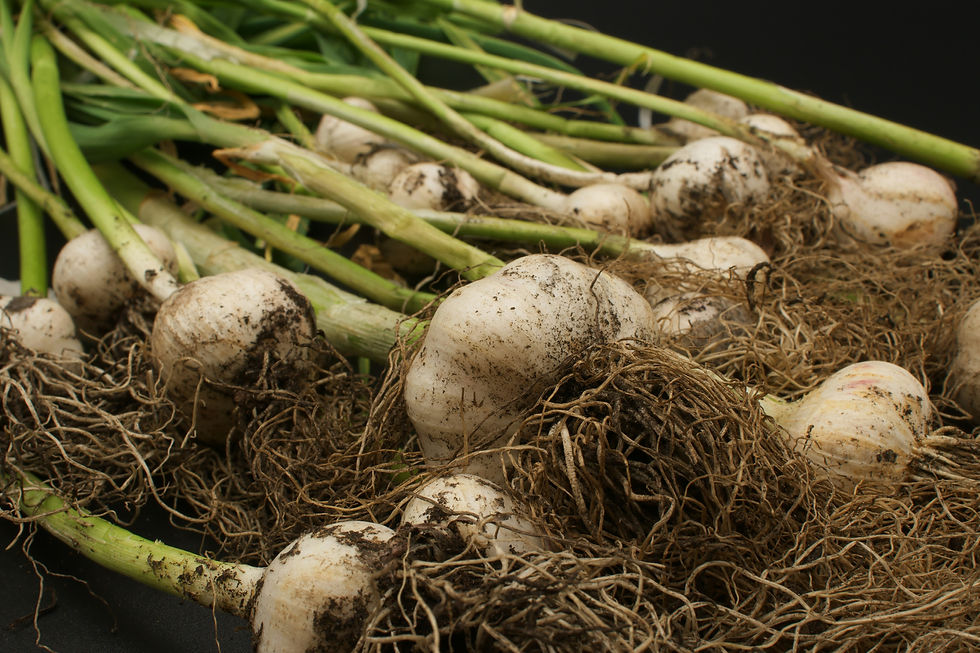
Garlic is one of the classics. Plant individual cloves in well-prepared, well-drained soil, pointy side up, and allow them to establish roots before winter. They'll spend the cold months developing below ground before putting on significant growth again in spring. Our fresh stock of garlic is here, and ready for planting as of September 25, 2026! So come browse our selection of favorite varietals and take home some cloves for fall planting!
Depending on your garden and microclimate, there are plenty of cool-season vegetables that can also be grown into winter. Kale, broccoli, cabbage, hardy greens, carrots, beets and other cold-tolerant crops can keep a vegetable garden productive long after the tomatoes have called it quits.
For winter vegetables, protection from cold and especially winter rain can be more important than just worrying about a single overnight frost.
8. Plant Spring Bulbs Now

And now for one of the best parts of fall gardening: spring bulbs.
If you’ve ever walked outside in early spring and suddenly discovered a cluster of crocus, daffodils or snowdrops blooming where there seemed to be nothing but bare soil a few weeks earlier, you already understand the magic.
Spring-flowering bulbs are planted in fall because they need time to establish roots before they bloom. Illinois Extension recommends planting spring bulbs roughly four to six weeks before the ground freezes in colder climates, while the Royal Horticultural Society (or RHS, as we'll call it from here because... that's a mouthful!) recommends autumn planting for spring-flowering bulbs more broadly.
Here in the Gorge, your exact timing will depend on your elevation, soil and the weather we're actually having. The general idea is to plant while the soil is still workable and cool enough for the bulbs to begin establishing roots, but before the ground is frozen.
And lucky for us, our new bulb shipment has arrived!!!!!

Tulip Bulbs
Tulips are probably the first spring bulb most people picture, but there is an enormous world beyond the classic cup-shaped red or yellow tulip.
We have some particularly fun varieties in the garden center this year, including fringed tulips and parrot tulips.
Fringed tulips have finely cut, almost feathery edges around their petals. Depending on the variety, the fringe can be delicate and subtle or wonderfully dramatic.
Parrot tulips are the showstoppers. Their petals twist, curl and flare outward, creating flowers that look almost too elaborate to have come from a bulb buried in the ground. The RHS describes their distinctive petals as twisted and feather-like!
Pro tip: plant tulips in a sunny location with good drainage. They particularly dislike sitting in waterlogged soil, which can lead to bulb rot.
Narcissus / Daffodil Bulbs

Narcissus is the larger botanical group that includes daffodils, and these are some of the most dependable bulbs you can plant.
They’re cheerful, long-lived and wonderfully useful for naturalizing. Once established, many narcissus varieties can return year after year, gradually creating larger groupings. Their flowers range from the familiar golden-yellow trumpet to combinations of white, cream, peach, orange and yellow. They’re generally long-lived and can naturalize well, meaning they can multiply and return in the same area for years.
Plant them in groups rather than scattering one bulb here and another over there. A generous drift of daffodils in spring has a much bigger visual impact, and it's a lovely way to make a garden feel established over time.
They’re also one of those plants that make spring feel official. When the daffodils are blooming, winter is finally starting to loosen its grip.
Snowdrops

Snowdrops are tiny, but don't underestimate them!
They’re among the earliest flowers to appear in many gardens, often blooming when the landscape still looks decidedly wintery. And they're STUNNING! Their delicate white flowers seem almost impossibly fresh against cold soil and bare branches.
Double snowdrops take that familiar little flower and add a little pizazz! The dextra layers of petals, give them a fuller, more intricate look that is both romantic and timeless.
Place these babies where they can shine! Along a path, beneath deciduous trees or near an entryway, they can provide one of those small seasonal surprises that make a garden feel alive. Say hello to spring in the best possible way with a breezy little "hello" from a snowdrop.
Crocus

Crocus are another early-season favorite, and they're excellent for bringing little pockets of color into the garden before many larger perennials have started growing.
Depending on the variety, flowers can be purple, white, yellow or combinations of those colors. These lovely ladies can look lovely planted in groups in a flower bed. Or have you ever seen them naturalized through a front lawn? Gorgeous.
Crocus are technically corms rather than true bulbs, but gardeners generally lump them into the same fall bulb-planting conversation.
And there is another crocus worth talking about: chefs get ready, it's the Saffron Crocus.
Yes, you can grow your own saffron!
Crocus sativus, commonly called saffron crocus, is a fall-blooming crocus rather than one of the spring-blooming crocuses. Its delicate lavender flowers produce the vivid red-orange stigmas that are dried to make saffron spice!
Each flower only produces three stigmas, which helps explain why saffron is such a valuable spice. It can take almost 150 flowers to produce just one gram of dried saffron.
Saffron crocus needs excellent drainage and does particularly well in sunny locations. Plant the corms in fall and allow the foliage to remain after flowering so it can replenish the corm for the following season.

One important note: don't confuse saffron crocus with colchicum (pictured to the left), which is sometimes also called autumn crocus or meadow saffron. Colchicum is a completely different plant and is poisonous!
Hyacinths

Hyacinths bring something a little different to the spring garden: warm, lush fragrance.
Their dense clusters of flowers make a strong visual statement, but it's the scent that really announces them when you walk past!
Plant them near paths, patios, entryways or anywhere you're likely to pass by in spring. In our humble gardening opinion, there's no reason to tuck lovely fragrant plants into the far corner of the garden where nobody can enjoy them!
Hyacinths, like tulips and daffodils, are spring-flowering bulbs that are planted in fall so they can establish roots before flowering in spring.
But Wait, There’s More!
Spring bulbs go far beyond the "usual suspects," and one of the fun things about planting them is creating a sequence rather than relying on a single big moment of bloom.
Early crocus and snowdrops can begin the show. Daffodils and hyacinths follow soon after that. Tulips bring a huge range of color and flower forms later in spring.
With a little planning, you can have bulbs blooming in succession for delightful color from first pop of spring into summer!

So, Why Plant Bulbs in Fall?
This is the part that's easy to forget when you're standing in the garden center holding a bag of bulbs in September.
You're not planting flowers for fall.
You're planting next spring.
Fall-planted spring bulbs use the cooler months to establish their root systems before they put their energy into flowering. The bulb already contains much of what it needs for that first burst of growth, and the time spent underground allows the plant to prepare for its spring performance.
Spring-flowering bulbs are among the easiest and most rewarding garden plants, and autumn is the season to plant them.
There's something pretty wonderful about that kind of delayed gratification.
You plant something when the garden is winding down, cover it with soil, and then spend the winter mostly forgetting about it. Months later, it's the best flowery surprise.

A Few Bulb-Planting Tips
Before you start digging holes all over the yard, keep a few basics in mind.
Choose firm, healthy bulbs. Avoid bulbs that are soft, moldy or damaged.
Give bulbs good drainage. Soggy soil is one of the quickest ways to turn a promising bulb planting into a disappointing one.
Plant at the correct depth. A common guideline is to plant bulbs about two to three times as deep as the bulb is tall, although the recommended depth varies by plant. Always check the instructions for the particular bulb you're planting.
Plant with the growing point up. For true bulbs such as tulips, daffodils and hyacinths, the pointed or growing end goes up and the basal plate goes down.
Water after planting. Give newly planted bulbs a thorough watering to settle the soil and encourage root development, but don't keep them waterlogged.
Plant in groups. Three bulbs are lovely. Twenty-five bulbs are an event. And if you're planting several varieties, think about bloom time, height and color so the garden has something happening throughout the spring.
9. Give Your Perennials Some Thought

Fall can also be a good time to divide or transplant certain established perennials, particularly when the weather has cooled and plants are no longer dealing with the heat of summer.
But don't feel like everything needs to be divided every few years just because you read somewhere that it does.
If a perennial is healthy, flowering well and behaving itself, you can leave it alone.
If it's become overcrowded, stopped blooming well, developed a dead center or simply outgrown its space, fall may be a good opportunity to divide it.
When transplanting or dividing, get the plants back into the ground promptly and water them well. The goal is to give their roots time to establish before the ground becomes too cold.

10. Keep Weeding
We know. We know.
You were hoping we'd leave this one out.
But fall is actually a very useful time to get ahead of perennial weeds! Cooler temperatures don't necessarily mean weeds have stopped growing, and many perennial weeds are still actively storing energy in their roots.
Just be thinking of your future self... A little attention now can save you a lot of work and sore back time next spring!
The key is not to obsess over every single leaf. Prioritize the weeds that are flowering, producing seed or spreading aggressively.
And if you're adding mulch, compost or a cover crop, you're already taking steps that can help make weed management easier going forward.
Your Fall Garden Prep Checklist
If you want the short version, bookmark this blog so you can come back to this easy list:
Remove finished annuals and diseased plant material
Clean and store stakes, trellises and garden tools
Add compost or other organic matter where needed
Test your soil if you're unsure what nutrients it needs
Refresh mulch around established plants
Protect young or vulnerable plants
Check irrigation, hoses and garden structures
Prepare greenhouse tunnels and row covers
Consider planting a winter cover crop
Plant garlic and cool-season vegetables
Plant spring-flowering bulbs
Divide or transplant appropriate perennials
Pull persistent weeds before they go to seed
Leave some seed heads and stems for garden wildlife
Make a note of what worked this year and what you'd like to change next spring
One Last Thing: Don't Try to Do Everything
Fall gardening can turn into a surprisingly long to-do list if you let it... so don't let it!
You don't need to have a perfectly cleaned-up garden, every bed mulched, every plant divided and every tool organized before the first frost arrives.
Don't let yourself get overwhelmed. Just start with the things that matter most.
Protect plants that really need protection. Improve the soil where it needs improving. Get your bulbs in the ground. Deal with disease and weeds before they become bigger problems. Make sure your garden structures are ready for winter.
Then let the rest happen naturally.
Gardens aren't meant to be frozen in time. They're living things, and part of the pleasure of gardening is watching them change from season to season.
Fall gives us a chance to slow down, put a little care into the soil, and plant things that will reward us big a few months from now.
Part of the joy of gardening is the slowness. The seasonality. The journey.
And, if you ask us, that's a pretty good reason to keep gardening. Let yourself enjoy the process instead of dreading the to-do list! Because you deserve it. And so do your plants.
Ready to Get Your Garden Ready for Winter?
We have fall garden supplies at Good News Gardening, including (but not limited to)....
Soil
Compost and fertilizer
Bulk garden materials such as landscape fabric, liner and greenhouse tunnel supplies
Spring-flowering bulbs, including tulips, fringed and parrot tulips, narcissus, snowdrops and double snowdrops, crocus, saffron crocus, daffodils, hyacinths and more.
Fall garlic, and onions on the way (as of 9/25/26)
Come see what's new, get your fall projects started, and plant a little springtime while you're at it. 🌱 And, as always, we're here to help if you need us.


Comments