

Spring Soil Prep Guide: How to Prepare Your Garden for Planting
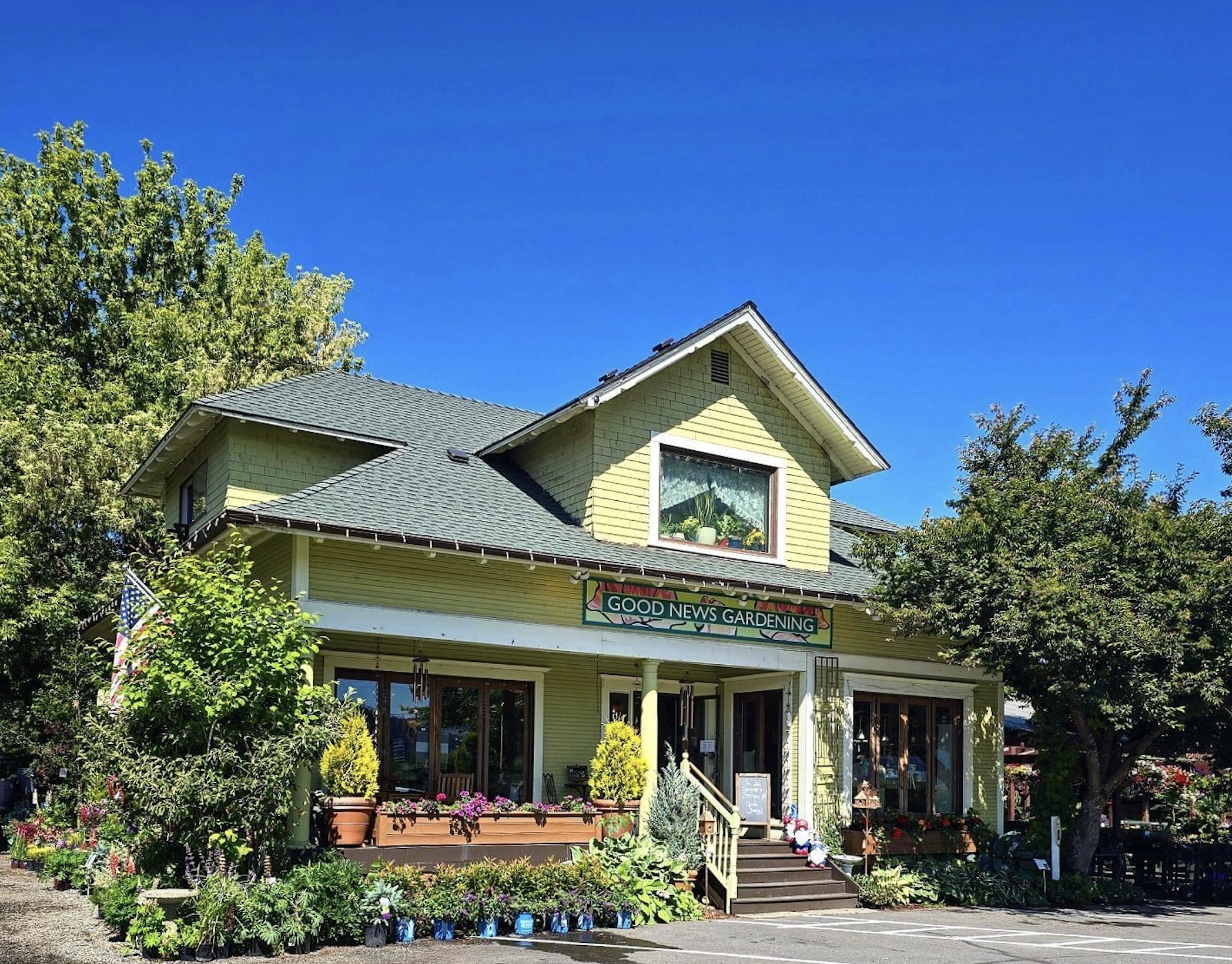
Spring is one of the most important times of year for gardeners in the Pacific Northwest. Whether you’re planting vegetables, herbs, flowers, shrubs, fruit trees, or landscape beds, healthy soil is the foundation for strong growth, vibrant blooms, and better harvests.
At Good News Gardening, we believe great gardens start from the ground up. Proper spring soil preparation helps plants establish faster, improves drainage, encourages healthy root development, and creates a thriving ecosystem beneath the surface.
If your garden has ever struggled with poor growth, yellowing leaves, pests, compacted soil, or weak blooms, your soil may be asking for attention! Here’s how to prepare your garden soil for spring planting naturally and effectively.

Why Spring Soil Preparation Matters
One of the biggest gardening trends right now is “soil-first gardening.” More gardeners are focusing on building healthy living soil rather than relying on quick fixes later in the season. Healthy soil supports:
Better water retention
Improved drainage
Stronger root systems
Increased microbial activity
Healthier blooms and harvests
Better resistance to pests and disease
Before planting anything new, take time to prepare your garden beds properly. Your plants will reward you all season long!
Step 1: Clean & Clear Garden Beds
Start by removing:
Dead annuals
Winter debris
Old mulch
Fallen leaves
Weeds and invasive grasses
This improves airflow and reduces places where fungal diseases and pests can overwinter.
If you’re working in raised beds, loosen compacted soil with a shovel or garden fork. Avoid tilling wet soil, as it can damage soil structure.

Step 2: Add Organic Matter to Improve Soil
Adding organic matter is one of the best ways to improve soil naturally. Compost and soil amendments help sandy soil hold moisture while helping clay soil drain better.
Planting Compost
Adding planting compost enriches the soil with nutrients and beneficial microbes while improving texture and water retention. Compost is especially helpful for:
Vegetable gardens
Flower beds
Raised beds
Fruit trees and berries
Work compost several inches into existing soil before planting.
Earthworm Castings
Earthworm castings are one of the most popular natural soil amendments for gardeners right now, and for good reason! Castings provide gentle nutrients while boosting microbial life in the soil.
Benefits include:
Improved root growth
Better nutrient uptake
Increased soil biology
Reduced transplant shock
They’re excellent for seedlings, houseplants, vegetables, herbs, and flowering containers.
Steer Manure & Chicken Manure
Both steer manure and chicken manure help enrich depleted soil with organic nutrients.
Steer manure improves soil texture and adds slow-release nutrients ideal for garden beds and landscape planting.
Chicken manure contains higher nitrogen levels and works well for leafy vegetables and vigorous spring growth.
Use manure products in moderation and mix thoroughly into the soil before planting.

Step 3: Choose the Right Soil for Your Plants
Different plants thrive in different soil environments. Choosing the correct soil mix gives roots the drainage, aeration, and nutrients they need. We love the E.B. Stone brand because they prioritize sustainable gardening practices that contribute to the longterm health of your garden, soil, and plants!
Best Soil for Raised Beds & Vegetable Gardens
E.B. Stone Raised Bed & Potting Mix

Raised beds continue to grow in popularity because they warm faster in spring, improve drainage, and make gardening more accessible.
Our raised bed & potting mix is ideal for:
Vegetables
Herbs
Pollinator gardens
Cut flower gardens
Berry beds
It provides excellent structure, drainage, and nutrient retention for productive growing.

GreenAll Natural & Organic Potting Soil
This versatile potting soil works well for:
Containers
Patio planters
Hanging baskets
Herbs and vegetables
Annual flowers
Organic potting mixes help retain moisture while still allowing roots to breathe.

Edna’s Best Potting Soil
Edna’s Best is a reliable option for gardeners wanting a rich, easy-to-use soil blend for:
Potted plants
Seasonal containers
Flower arrangements
Houseplants
Best Soil for Succulents & Cacti

EB Stone Cactus & Succulent Soil
One of the most common plant problems gardeners search for online is root rot caused by poor drainage. Succulents and cacti need fast-draining soil to prevent roots from staying wet too long.
E.B. Stone Cactus & Succulent Soil is specially formulated to:
Improve drainage
Increase aeration
Reduce compaction
Help prevent overwatering issues
This soil mix is going to be perfect for:
Succulents
Cacti
Aloe
Jade plants
Euphorbias

Best Soil for Flowers & Roses
E.B. Stone Rose & Flower Soil
Flowering plants benefit from nutrient-rich soil that supports blooming and root development.
This blend helps:
Encourage vibrant blooms
Support healthy root systems
Improve moisture retention
Feed flowering annuals and perennials
This soil is going to be ideal for:
Roses
Hydrangeas
Dahlias
Peonies
Pollinator gardens
Best Soil for Seed Starting

EB Stone Seed Starter
Starting seeds indoors remains one of the most searched spring gardening topics online. Seedlings need lightweight, sterile, fine-textured soil that allows delicate roots to grow easily.
EB Stone Seed Starter helps:
Improve germination
Reduce damping-off disease
Support healthy early root growth
Retain moisture without becoming soggy
Excellent for:
Vegetable starts
Herbs
Annual flowers
Propagation
Step 4: Feed Your Soil & Plants Naturally
Plants need nutrients throughout the growing season. Organic fertilizers feed plants gradually while also supporting long-term soil health. Chemical fertilizers can actually strip your soil of its richness over time, and does not contribute to long-term health in your garden and beds. On occasion, it can be necessary for treating a particular issue or problem, but we generally recommend soil-enriching blends that are organic or all-natural. One of our favorite brands to carry is Down To Earth because they offer such a wide range of affordable, natural, organic fertilizers.
Down To Earth Fertilizers & Amendments

Blood Meal
Blood meal is high in nitrogen and encourages:
Vigorous leafy growth
Greener foliage
Fast spring growth
Excellent for:
Leafy vegetables
Corn
Heavy-feeding annuals

Bone Meal
Bone meal supports:
Root development
Flower production
Fruit development
Ideal for:
Bulbs
Tomatoes
Roses
Perennials
Root Growth Enhancer
Healthy roots create healthier plants. Root enhancers help plants establish quickly after transplanting and reduce transplant shock.

Fish & Kelp (2-4-1)
Fish and kelp fertilizers remain extremely popular with organic gardeners because they:
Feed beneficial microbes
Encourage steady growth
Improve plant resilience
Support overall plant vigor
Great for vegetables, flowers, herbs, shrubs, and containers.

Liquid Bloom (2-6-4)
Bloom fertilizers support:
Flowering
Fruiting
Stronger blooms
Better harvest production
Especially useful for:
Tomatoes
Peppers
Hanging baskets
Annual flowers
Fruit-bearing plants
Liquid Calcium
Calcium deficiencies are increasingly common in container gardens and raised beds. Calcium helps:
Prevent blossom end rot
Strengthen cell walls
Improve overall plant structure
Helpful for tomatoes, peppers, squash, and cucumbers.
Lime & Sulfates
Soil pH plays a huge role in nutrient availability. Lime can help raise soil pH and improve calcium availability, while sulfates help address nutrient deficiencies and improve soil balance.
These products are especially beneficial when:
Soil tests show imbalance
Plants appear chlorotic or weak
Gardens have recurring nutrient deficiencies

Mulching: The Secret to Healthier Soil
Mulching is one of the easiest ways to protect and improve your soil naturally. We have a few options in stock, and we can't recommend mulch enough when it comes to protecting your garden, trees, raised beds, and more!
More benefits of mulch include:
Moisture retention
Weed suppression
Soil temperature regulation
Reduced erosion
Improved soil biology over time
EB Stone Bark Mulch & Hemlock Bark
These mulches are excellent for:
Landscape beds
Trees and shrubs
Perennial gardens
Pathways
Hemlock bark is especially popular for decorative landscapes thanks to its rich natural color and texture.
Natural Plant Protection with Arber
Organic gardening continues to trend upward as gardeners search for safer, eco-conscious solutions.
We carry several Arber products that help support healthy plants, naturally:
Arber Bio Protectant
Helps strengthen plants against environmental stress and disease pressure.
Arber Bio Fungicide
Useful for helping manage common fungal issues organically.
Arber Bio Insecticide
Supports natural pest management without harsh synthetic chemicals.
Arber Plant Food
Provides easy-to-use nutrition for indoor and outdoor plants.
Arber Fresh Cut Flower Food
Helps fresh bouquets last longer with healthier hydration and nourishment.
Liquid Plant Foods for Fast Results
Liquid fertilizers are a great option for:
Fast nutrient uptake
Containers
Hanging baskets
Houseplants
Plants showing nutrient deficiencies
Because nutrients are immediately available, liquid plant foods can quickly help stressed or hungry plants recover.

Don’t Forget Soil Health for Trees & Shrubs
Trees, shrubs, and perennial landscapes benefit tremendously from spring soil prep too.
Adding compost, mulch, castings, and balanced fertilizers around root zones can:
Improve drought tolerance
Encourage stronger root systems
Increase flowering
Reduce stress during summer heat
Healthy soil leads to healthier landscapes year after year.
Visit Good News Gardening for Soil, Fertilizer & Expert Advice
Whether you’re building raised beds, planting a vegetable garden, refreshing containers, growing flowers, or improving your landscape, the right soil products can completely transform your garden’s success.
At Good News Gardening, we carry a wide selection of:
Specialty soils
Organic fertilizers
Compost and manure
Mulch and bark
Soil amendments
Plant foods
Natural gardening solutions
Our knowledgeable team is always happy to help you choose the best products for your specific plants, soil conditions, and gardening goals.
Stop by the garden center this month, explore our soil and fertilizer selection, and let us help you grow your healthiest garden yet!
Check out our other blog posts for more helpful tips on doing your best gardening & growing in the Columbia River Gorge!


Comments