

Benefits of Mulch: Why Every Garden Needs a Protective Layer
When summer arrives in the Hood River Valley, gardeners start paying close attention to water, weeds, and protecting plants from heat. One of the simplest ways to improve all three is by adding mulch.
We often tell customers that mulch is one of the hardest working products in the garden. A fresh layer of mulch makes garden beds look tidy and finished, but the real benefits happen below the surface. From conserving moisture to improving soil health, mulch helps create healthier growing conditions for flowers, vegetables, trees, and shrubs.
If you have been wondering whether mulching is worth the effort, the answer is a resounding "Yes!"

What Is Mulch?
Mulch is any material spread over the surface of the soil to protect and improve growing conditions. Organic mulches, such as bark mulch, gradually break down and add organic matter to the soil over time.
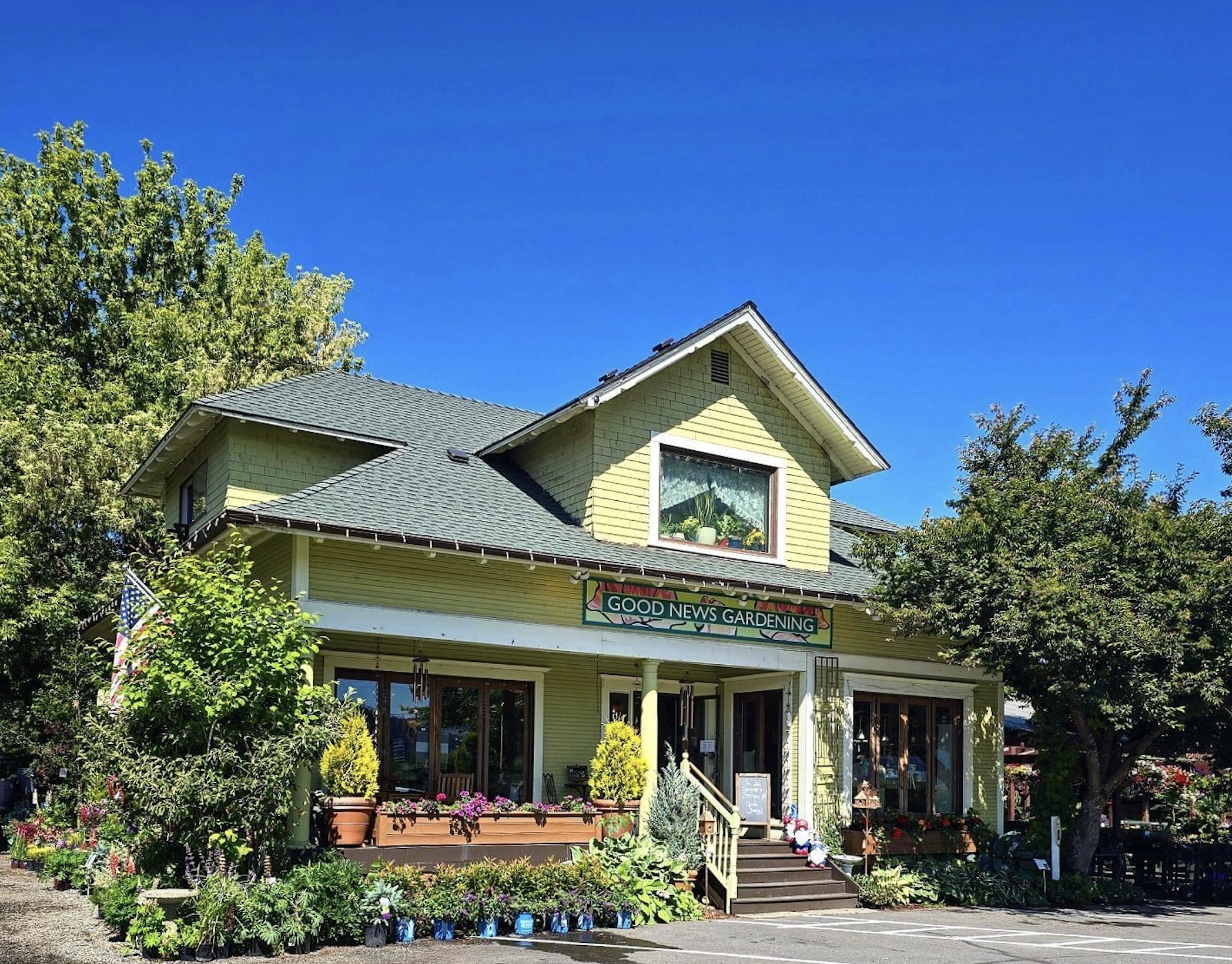
At Good News Gardening, two of our most popular options are:
E.B. Stone Organics Hemlock Bark
Both provide excellent coverage while helping protect your soil throughout the growing season.
The Top Benefits of Mulch
Mulch Helps Soil Hold Moisture
One of the biggest benefits of mulch is moisture retention.
When soil sits exposed to direct sun and wind, water evaporates quickly. A layer of mulch acts like a protective blanket, slowing evaporation and helping soil stay moist longer.
Research consistently shows that mulched garden beds require less frequent watering because moisture remains available in the root zone.
This is especially valuable during Hood River's hot, dry summer months.

Mulch Protects Plant Roots From Heat
Summer heat can stress plants even when they receive adequate water. Soil temperatures often climb much higher than air temperatures.
Mulch helps regulate soil temperature by keeping roots cooler during hot weather and providing insulation during colder months. This creates a more stable growing environment and reduces avoidable stress on plants.
Trees, shrubs, perennials, and vegetable gardens all benefit from this added protection.

Mulch Reduces Weeds
In our opinion, there are few gardening tasks less enjoyable than pulling weeds in the middle of July!
Mulch helps suppress weeds by blocking sunlight from reaching weed seeds. Fewer weeds is great for your garden's curb appeal, but it also means less competition for water and nutrients, allowing your plants to thrive.
Experts estimate that a properly applied layer of mulch can dramatically reduce weed growth throughout the season!
A two to three inch layer is often enough to make a very noticeable difference.
Mulch Improves Soil Health
Organic mulch does more than protect the soil. As it breaks down, it contributes organic matter back into the soil! It supports healthy soil structure and encourages beneficial microbial activity, which we love to see in any garden bed.
Healthy soil leads to healthier plants!
For gardeners looking to build richer soil over time, mulch works especially well when paired with quality soil amendments and compost.
(Pssst... you can learn more about improving your soil in our guide to spring soil preparation HERE!)
Much Helps Prevent Erosion
Bare soil is vulnerable to wind, heavy rain, and runoff. Mulch helps protect the soil surface and keeps valuable topsoil where it belongs.
This can be particularly helpful on slopes or exposed areas where soil tends to wash away during heavy Oregon rain storms.

How To Apply Mulch Correctly
The Good News (see what we did there?) is that applying mulch is pretty simple! However, there are a few best practices to keep in mind that can make a big difference.
Pull weeds before mulching.
Water the soil thoroughly before applying mulch.
Spread mulch two to three inches deep.
Keep mulch a few inches away from plant stems and tree trunks.
Refresh mulch as needed throughout the year.
One common mistake is piling mulch directly against the trunk of a tree. This practice, sometimes called a "mulch volcano," can trap moisture against the bark and lead to disease or root problems. Instead, leave a small gap around the trunk and spread mulch outward in a ring.
Which Mulch Should You Choose?
E.B. Stone Organics Bark Mulch
A natural organic mulch that helps conserve moisture, suppress weeds, and gradually improve soil quality as it breaks down. We love using this mulch for walkways and garden paths, as well! It can be a great and more affordable solution than pavers or pea gravel options.
Hemlock Bark
An attractive mulch that provides excellent coverage and a clean finished appearance while delivering the same moisture saving and weed reducing benefits gardeners rely on.
If you are planting new trees, shrubs, or perennials, hemlock bark mulch works especially well alongside quality planting soils and soil conditioners.
(Pssst... Check out our one-sheet comprehensive guide on planting trees & shrubs for long term success HERE! You can even download yourself a copy to save for later!)

Give Your Garden a Head Start This Summer
To sum up... if there is one product we recommend for almost every garden in June, it is mulch!
A fresh layer of bark mulch will help you water less often, pull fewer weeds, protect plant roots, and build healthier soil over time. It is one of the simplest upgrades you can make, and your plants will definitely thank you for it. The best part is, when you stop by Good News Gardening, we can not only help you choose the right mulch for your landscape, vegetable garden, or newly planted trees, we will also carry it right to your vehicle. Talk about easy gardening!
Pro Tip: If you're looking for any additional information on gardening with mulch, we love this awesome guide from the Oregon State University Extension Service!
Check out our other blog posts for more helpful tips on doing your best gardening & growing in the Columbia River Gorge!




Comments