

Best Low-Maintenance Perennials for Oregon Gardens
Gardening in Oregon is defined by contrast. Wet winters, dry summers, and dramatic microclimates across even short distances mean that plant performance can change significantly from one yard to the next. So here's our best tips on planting perennials that will thrive in your garden year after year!
What thrives in Hood River may struggle in Odell, and what flourishes in a shaded valley may fail on a south-facing slope.
This is why choosing the right low maintenance perennials is one of the most important decisions a gardener can make in the Pacific Northwest. The goal is not to eliminate care entirely, but to build a planting system that becomes more stable, resilient, and self-sustaining over time.
A well-designed perennial garden should not require constant correction. It should settle in, adapt, and improve each year with less intervention.
“The most successful gardens are not maintained into health. They are designed into it from the beginning.”
Tip #1: Start with the Microclimate, Not the Plant List
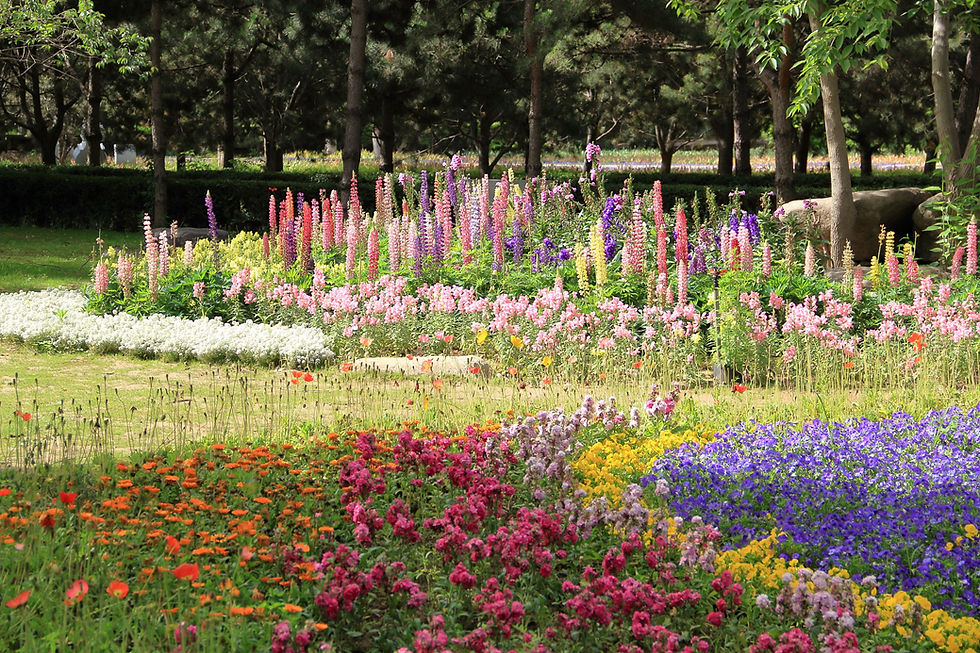
One of the most important but overlooked principles in Oregon gardening is understanding microclimates. Even within a single property, conditions can vary enough to determine whether a plant thrives or struggles.
Wind exposure, reflected heat from driveways or walls, elevation changes, and soil drainage all matter more than most plant tags suggest.
A perennial that performs beautifully in one part of Hood River may decline just a few blocks away due to differences in sun exposure or soil temperature. For this reason, successful low maintenance perennial design always begins with observation, not selection. Pay attention to where the sun hits your space, and for how long. If you want to get fancy you can do a soil test! Measure how much moisture your garden beds hold with a moisture meter. With gardening, information is power. Having all the right stats for your garden (yes, we know you got into gardening because you DON'T like statistics) can help save money on losing plants because your soil had the wrong natural ph or moisture level!
When plants are matched to the conditions they naturally prefer, maintenance decreases dramatically because the garden stops working against itself!
🌿 DID YOU KNOW? 🌿 You can't judge a perennial by its first season! Most perennials spend their first year building roots, their second year filling out, and by the third year they begin to reach their full potential.
Tip #2: Choose Drought Adaptation When Needed
Many perennial failures in Oregon gardens happen after the first summer, when irrigation habits don't line up with plant needs. The most reliable low maintenance perennials are not simply drought tolerant in theory, they are drought adapted once established.
Lavender is a strong example of this principle! It prefers sharp drainage and low fertility soil, and it actually becomes weaker when overwatered or overfed. Once established, it performs consistently with minimal care and delivers long-lasting structure and fragrance.
“As crazy as it sounds, when you're gardening in Oregon, sometimes restraint produces stronger plants than attention.”
Selecting plants that are naturally aligned with dry summer conditions is one of the fastest ways to reduce long term maintenance! Unless you're excited to start watering every day at 4:30am. In which case, we love that for you!
An important step to include in this planning is making sure your soil is healthy and ready to facilitate strong garden growth! Check out our Soil Health 101 Guide to make sure you're giving your plants the best chance for not just surviving but thriving!
Tip #3: Prioritize Long Bloom Cycles Over High Maintenance Repeats

Something gardener's often do is select their perennials based on their stunning visual impact. We love a statement flower! But sometimes curating a low maintenance perennial garden is about sustained performance. This doesn't mean your garden can't have a wow factor! But low maintenance gardens rely heavily on species that extend their bloom cycles naturally without constant deadheading or intervention. Echinacea (Coneflower)is a stunning and dependable example. It produces long-lasting summer blooms, supports pollinators, and becomes more robust as it matures in the landscape!
These types of perennials reduce the need for continual replacement planting or seasonal correction, which is one of the primary sources of maintenance in ornamental gardens.
Tip #4: Build Structure First, Then Add Detail
Low maintenance gardens are not created by individual plants alone, but by layering structure into the design. Structural perennials reduce visual chaos and create long-term stability in planting beds.

Russian Sageis often used in this role because it provides height, movement, and seasonal bloom without requiring significant upkeep once established. It acts as a stabilizing element in mixed perennial beds.
Plus, it's absolutely gorgeous! With fluffy fronds of pale green coupled with long stemmed purple blossoms, this elegant plant will add a touch of whimsy to any garden space.
Gardens can feel overcomplicated without any structural plants. And if it's just not looking quite right, that may mean frequent seasonal editing on your part. But when you add some well-chosen, visually appealing plants with lots of texture and the ability to frame your garden... life gets easier!
Maintenance becomes more about making some light adjustments rather than making big corrections. Designing your garden bed around structural plants while also considering the visual interest of your space is so important! We've got a comprehensive guide on How To Design A Garden Bed that you might find a helpful resource.
💧 DID YOU KNOW?💧 Frequent shallow watering encourages shallow roots, making plants less resilient during Oregon's dry summers. To help your plants succeed, you should water deeply but less often.
Tip #5: Lean Soils Often Produce Stronger Perennials
Something that all gardeners struggle with at one point or another is soil. Learning how to successfully garden in Oregon can often mean getting acquainted with your soil and developing better soil fertility in your garden. Especially since we have so many microclimates with challenging soil types, including thick clay and thin, rocky soils. Sometimes the key can be in amending your soil, but rich, heavily amended soils do not always produce better long-term results. In many cases, they encourage weak growth and higher maintenance needs. Often, the key to gardening in Oregon is leaning in to what is already there.
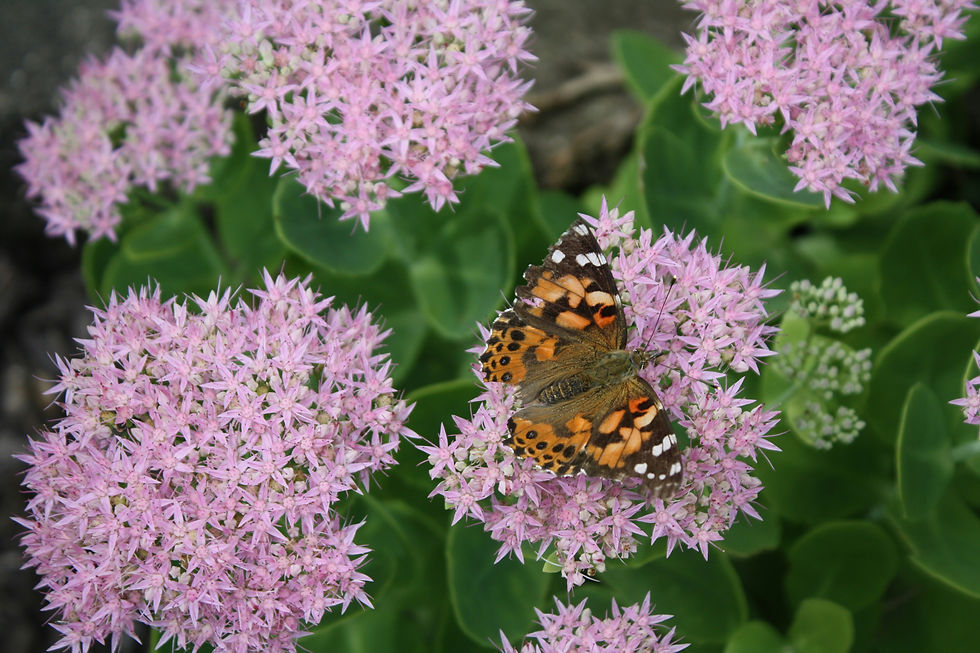
A great example of this concept is gardening with sedum. Sedum thrives in lean, dry soils and performs best when conditions are not overly enriched.
“In low maintenance gardens, less fertile soil often creates more resilient plants.”
This principle applies across many drought tolerant perennials in the Pacific Northwest.

Tip #6: Poor Conditions Are Not a Limitation When Plants Are Matched Correctly
This tip might feel counterintuitive. We totally get it! But what might be considered "poor conditions" or "difficult" in traditional gardening terms can actually be preferred by some plants... if you know which ones to pick!
Yarrow is one of our favorites at Good News Gardening. It thrives in dry, lean soils and spreads easily in naturalized plantings. Rather than requiring correction, it stabilizes and fills space over time, reducing weed pressure and maintenance needs! Yarrow is not only visually appealing, but is acts like a little worker in your garden.
When we stop trying to correct challenging conditions and instead match plants to them, landscapes become significantly more self-sustaining!
Tip #7: Reliability Matters More Than Novelty
Ok, this is a hot take. But we believe that some of the most valuable perennials in Oregon gardens are not new or unusual. They are consistent performers that return every year with minimal intervention.
Daylily is one of our favorite examples of this principle. The Daylily is adaptable to a wide range of soil and moisture conditions and provides dependable seasonal bloom without requiring intensive care! We love a low maintenance - yet still absolutely stunning - flower queen!
Reliability is one of the defining traits of a truly low maintenance perennial system.

Tip #8: Shade Gardens Require a Different Strategy, Not Less Attention
One of the most asked gardening questions around Good News Gardening is...
"What do I do if my garden is in mostly shade?"
Sometimes we neglect shaded areas because it's hard to know what to plant in shade, other than grass. These spots are often treated as low priority spaces in the landscape, but with intentional plant selection they can provide just as much "WOW!" as the sunny spaces. The difference is in knowing what plants to pick!
Heuchera (Coral Bells) is a lovely, shade-adapted perennial that provides long-term visual interest through foliage rather than bloom cycles.
Well-designed shade plantings reduce bare soil, improve visual continuity, and require less seasonal replanting when established correctly.
If you aren't sure what shade plants you'd like to add to your space, come wander our Shade House at Good News Gardening! Every plant in the Shade House thrives in lower-light garden conditions. Wander through the Sword Fern and Bleeding Heart to find something that you really love!
🐝 DID YOU KNOW? 🐝 Many drought tolerant perennials are also some of the best nectar sources for bees, butterflies, and hummingbirds, making them a great choice for pollinator-friendly landscapes.
Establishment Is the Real Turning Point
Even the best low maintenance perennials require an establishment period. In Oregon climates, this typically spans the first growing season. During this time, consistent watering supports root development. After establishment, plants begin to shift from dependency to resilience!
A simple progression applies to most perennial gardens:
Year one: root establishment
Year two: structural development
Year three: reduced maintenance and stabilized performance
Understanding this timeline helps understand your gardens needs. It can also help you avoid plant loss due to premature plant replacement or unnecessary intervention.
Conclusion: Designing for Lower Maintenance Over Time
Unfortunately, a successful perennial garden in Oregon isn't defined by instant perfection. But the good news is that it is defined by long-term performance that improves and (pun intended) blossoms as plants mature and adapt to their environment.
When plants are matched correctly to microclimate, soil conditions, and water availability, maintenance naturally decreases and stability increases year after year.
“Low maintenance gardening is not about doing less work in the short term. It's about setting up the garden so it no longer needs constant correction, which makes for a lot less work in the long term.”
Explore Low Maintenance Perennials at Good News Gardening
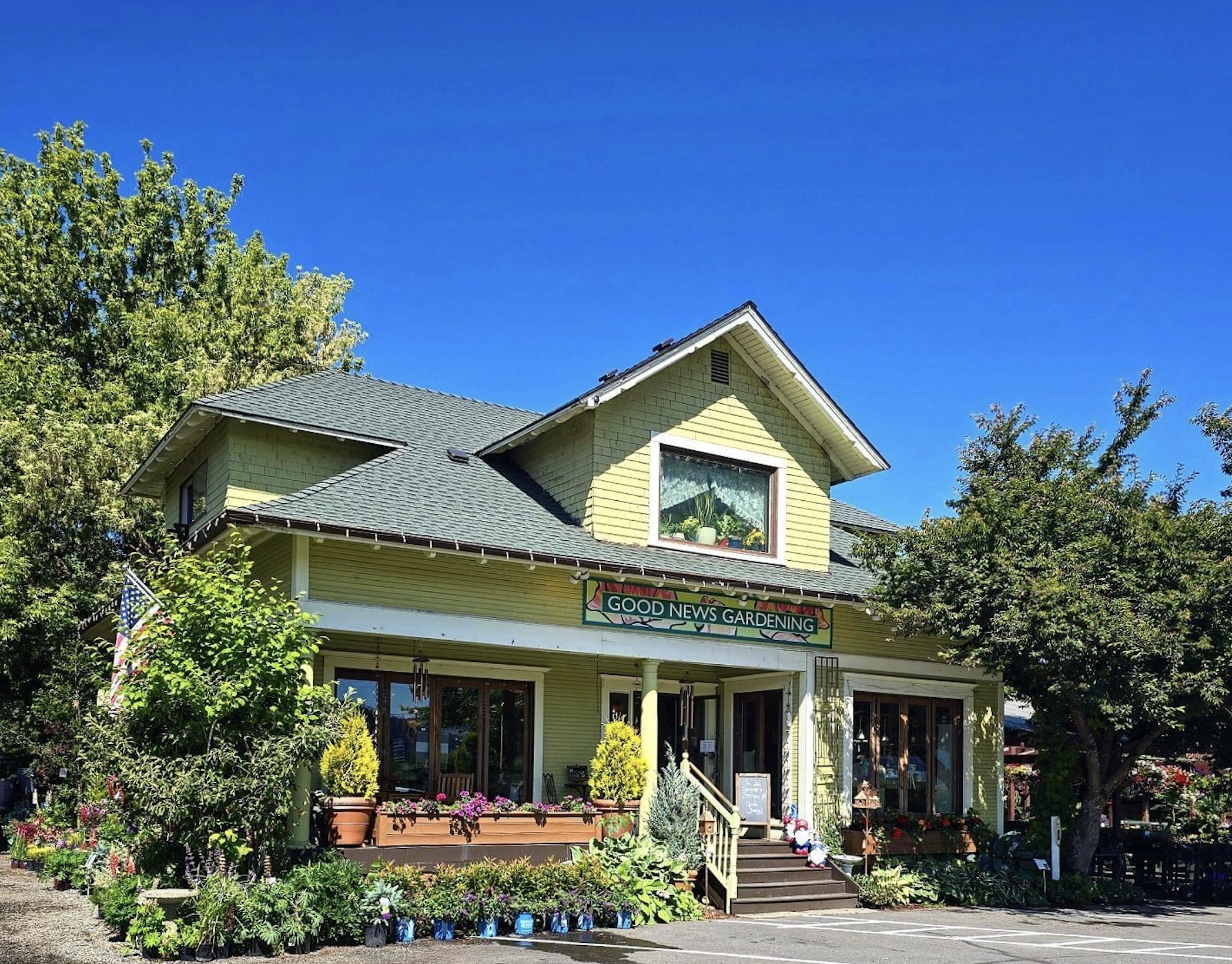
At Good News Gardening in Hood River, we curate perennial selections specifically for the varied microclimates of the Columbia Gorge. If you are building or refining a landscape, selecting the right low maintenance perennials for your exact site conditions is the most important first step. Not sure where to start? Stop by the garden center today and connect with one of our plant associates. Our knowledgeable staff can help answer your questions, guide you in the right plant selection, and give tips on best care for your Oregon perennial garden. Hurry in-- we can't wait to see you!
Frequently Asked Questions
What is considered a low maintenance perennial?
A low maintenance perennial is a plant that returns year after year with minimal care once established. The best low maintenance perennials require less watering, resist common pests and diseases, and do not need frequent dividing or pruning. Choosing plants that are well suited to Oregon's climate is the key to keeping garden maintenance low.
What are the easiest perennials to grow in Oregon?
Some of the easiest perennials to grow in Oregon include lavender, echinacea, salvia, yarrow, sedum, Russian sage, daylilies, and heuchera. These plants are known for their adaptability, long bloom periods, and ability to thrive in the Pacific Northwest with relatively little maintenance.
When is the best time to plant perennials in Oregon?
Spring and fall are both excellent times to plant perennials in Oregon. Fall planting allows roots to establish during the cool, wet months before summer arrives, while spring planting gives plants a full growing season to become established. During the first year, regular watering is important regardless of when you plant.
How often should I water newly planted perennials?
Newly planted perennials should be watered consistently during their first growing season while they establish strong root systems. After they are established, many drought tolerant perennials need much less supplemental watering, especially if they have been matched to the right location in your landscape.
Do low maintenance perennials still need fertilizer?
Not always. Many popular low maintenance perennials actually perform better without heavy fertilization. Plants like lavender, sedum, and yarrow often produce stronger growth and better flowering in average to lean soils. Applying too much fertilizer can encourage weak growth and reduce drought tolerance.
Can low maintenance perennials survive Oregon's hot summers?
Yes. Many perennials are well adapted to Oregon's dry summer climate once established. Choosing drought tolerant varieties and applying a layer of mulch to conserve soil moisture can help plants thrive even during periods of extended heat.
What is the difference between annuals and perennials?
Annuals complete their life cycle in one growing season and must be replanted each year. Perennials return year after year from the same root system, making them an excellent long-term investment for gardeners who want lasting beauty with less replanting.
How do I create a low maintenance perennial garden?
Start by evaluating your sun exposure, soil type, and irrigation before selecting plants. Choose perennials that naturally fit your site's conditions instead of trying to force plants into an environment they don't prefer. Group plants with similar water needs together, mulch to reduce weeds and conserve moisture, and allow plants time to establish. A thoughtful design at the beginning will save hours of maintenance in the years to come.
Looking for more ways to improve your landscape? Next, check out...


Comments