

The Ultimate Guide to Watering Houseplants: Top Watering, Bottom Watering & More
If you've ever wondered why one houseplant seems perfectly happy while another suddenly develops yellow leaves, brown tips, or drooping stems, the answer is often watering.
Here's a hard truth: there is no universal watering schedule for houseplants.
A pothos growing in a bright kitchen window will use water differently than a philodendron sitting in a dim office. Temperature, humidity, pot size, soil type, season, and the plant itself all influence how much water is needed.
Learning how to water properly, and understanding the different watering methods available, can make a huge difference in the health of your indoor plants! So we're here to give you our ultimate guide for best watering practices.

The Golden Rule of Houseplant Watering
Before discussing specific techniques, it's important to understand one simple principle:
Water when the plant needs it, not when the calendar says so.
Many houseplant problems occur because people water on a strict schedule. Instead, just start checking your houseplant soil regularly. Some plants prefer drying out between waterings, while others like consistent moisture.
A moisture meter can help, but your finger works well too. Check the soil a few inches below the surface before reaching for the watering can.
Top Watering: The Most Common Method
Top watering is exactly what it sounds like: pouring water onto the soil surface until it drains from the bottom of the pot.
When done correctly, top watering thoroughly saturates the root zone and helps flush away excess fertilizer salts and mineral buildup that naturally accumulate in potting soil over time.
Many popular houseplants thrive with this method, including:

Pothos
Pothos are among the easiest houseplants to grow and generally prefer to dry slightly between waterings.
Water thoroughly from the top when the top inch or two of soil feels dry.
Since pothos put off long vines, the watering needs can change as they grow! Make sure you're adjusting your watering as your plant grows.

Bird of Paradise
Bird of Paradise plants appreciate deep watering followed by a period of slight drying.
Their large leaves use significant amounts of moisture during active growth, especially in bright locations so it's important to check the soil often.
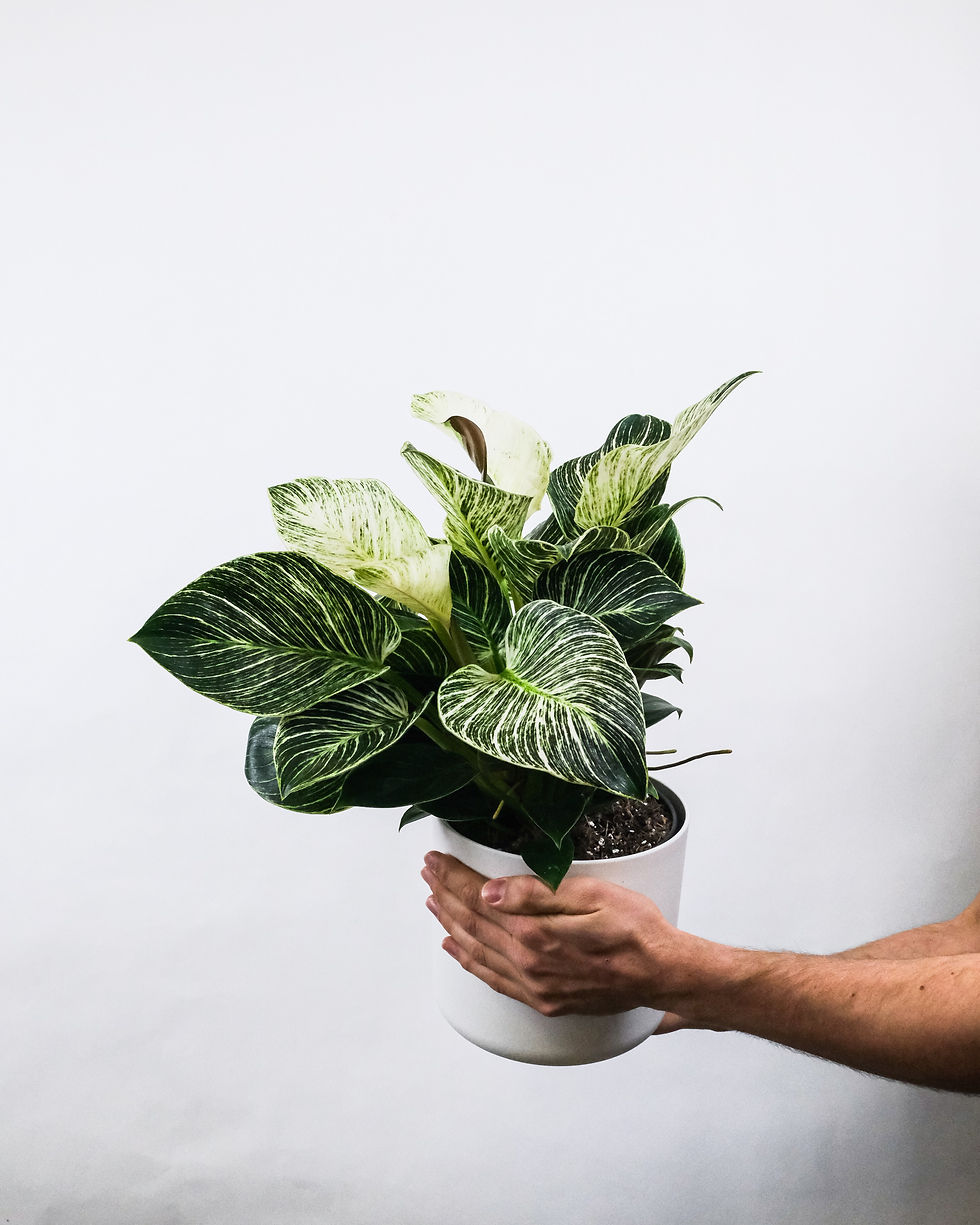
Philodendron Birkin
Plants like the philodendron Birkin prefer evenly moist soil but really dislike sitting in soggy conditions.
You can sometimes get a good idea of what kind of watering conditions a plant will like by the leaf structure: Birkins are a great example of this family of plants. With their wide, waxy leaves that have a little more density to them, and they easily drink and hold water. Overwatering is going to be really hard on these plants, and any with a similar leaf structure/type. Allow the top two inches of the soil to dry before watering deeply again.

Tradescantia
Tradescantia enjoy consistent moisture but can become susceptible to root issues if overwatered. Water when the top inch of soil begins to feel dry and if your vines start to look more limp than light and perky.

Spider Plants
Spider plants are very forgiving plants and great for beginners! They perform best when watered thoroughly and then allowed to dry slightly before the next watering.

Vining Hoya
Most vining Hoyas prefer a soak-and-dry-out approach. Water thoroughly and allow much of the potting mix to dry before watering again. When their pot feels light, it's probably time to soak them again. All plants need adequate drainage, but Hoya will be especially susceptible to sitting in any moisture for a long period of time. Make sure they are planted in a liner or pot that has excellent drainage!

Rope Plant Hoya
Rope Hoyas store water in their thick, succulent-like leaves and generally need less frequent watering than many tropical houseplants. Allow the soil to dry considerably between waterings.

Succulents & Cacti
For most succulents and cacti, top watering is the preferred method. In their natural environments, these plants are adapted to periods of rainfall followed by extended dry conditions. The goal is to mimic that pattern indoors.
When watering, thoroughly soak the soil until water runs from the drainage holes. Then allow the potting mix to dry completely before watering again. This "soak and dry" approach encourages healthy root development and helps prevent rot.
One common mistake is giving succulents frequent small sips of water. While it may seem safer, shallow watering often encourages weak surface roots and can leave the lower root zone dry. Deep, infrequent watering is almost always better than frequent light watering.
Popular succulents and cacti that thrive with top watering include:
• Echeverias
• Jade Plants
• Haworthias
• Aloe Vera
• Barrel Cacti
• Christmas Cactus
• Most desert cacti
When top watering rosette-forming succulents like Echeverias, try to direct water onto the soil rather than allowing it to pool in the center of the plant, where excess moisture can occasionally lead to rot.
Succulents and cactus usually die from being watered too often, not from being watered too little. If you aren't sure if your plant is ready for a watering, wait a couple days! They can comfortably go several weeks between waterings, especially during winter months when growth slows down.

Bottom Watering: A Deep Drink From Below
Bottom watering involves placing a pot in a shallow tray or container of water and allowing the soil to absorb moisture through the drainage holes.
The soil draws water upward through capillary action, encouraging roots to grow deeper into the pot.
Bottom watering offers several advantages:
Encourages deep root growth
Reduces soil disturbance
Helps prevent fungus gnats from breeding in constantly damp surface soil
Prevents water from splashing onto sensitive leaves
Allows dry potting soil to rehydrate more evenly
There are quite a few plants that either prefer bottom watering or benefit from it occasionally! The key distinction is that some plants need bottom watering because of very sensitive foliage, while others can simply appreciate the even hydration it provides the root system from time to time.

African Violets
African Violets need bottom watering. They're a classic example of sensitive foliage: their fuzzy leaves very easily develop spots or rot when water sits on the foliage. Because African Violet leaf structure often spreads out over the soil, it's almost impossible to deeply top water without getting some moisture on the foliage. This makes them a perfect candidate for bottom watering.

Prayer Plants & Calatheas
These plants prefer consistently moist soil and can be sensitive to drying out completely. Bottom watering helps hydrate the root ball evenly while avoiding excess moisture on delicate leaves.
Calathea also prefer distilled or rainwater as they can be sensitive to the chemicals found in most tap waters. Bottom watering is a great way to use only what you need of your distilled water supply. You can let your Calathea drink its fill and then save the rest for the next watering!

Maidenhair Fern (and many other ferns)
Ferns love and need consistent moisture and can be difficult to rehydrate once completely dry without leading to their demise. Bottom watering can help thoroughly moisten the soil without leaving them overly swampy. Ferns also love misting, as it helps keep their foliage lush and vibrant. Their natural environment is rainforest or moist shaded woodland, so mimicking those conditions will make your little fern friend so happy! Just make sure you're not substituting misting for watering, and vice versa.

Large Philodendrons, Palms & Birds of Paradise
Plants like Philodendron Selloum, Philodendron Hope, and other large-leaf varieties often benefit from periodic bottom watering to ensure the root ball is evenly hydrated. These bigger plants and tropical trees prefer consistent moisture without becoming waterlogged, so allowing them to drink fully and then drain fully is a great way of making sure they're retaining moisture but not in danger of root rot from overwatering.
Something to remember: sometimes the internet can make it sound like bottom watering is the "better" way to water your plants. In reality, it's just a tool. Top watering flushes fertilizer salts, removes mineral buildup, and mimics natural rainfall. Bottom watering promotes deep root growth, rehydrates dry soil, and keeps sensitive foliage dry. It's also important to note that some plants don't like bottom watering. That includes most succulents, cacti, snake plants, and ZZ plants. These plants generally prefer the traditional "soak and dry" method, from the top.
For many houseplants, the ideal approach is actually a combination of both. Bottom water when needed, but make sure you're also giving plants a thorough top watering to flush the soil and keep the root zone healthy.
What About Misting?
Misting is one of the most underrated aspects of houseplant care. Many people assume misting increases humidity significantly. In reality, the humidity boost from misting is often very temporary as water evaporates so quickly. If you have plants that love high humidity, we always recommend a humidifier over attempting to mist.
Some plants really appreciate occasional misting because it helps keep foliage clean and can provide short-term moisture during particularly dry conditions.
Plants that may enjoy occasional misting include:
Bird of Paradise
Tradescantia
Larger tropical philodendrons
Ferns
Calatheas
Alocasias
Plants that don't prefer misting include:
Hoyas
Snake Plants
Succulents
Cacti

Seasonal Watering Changes
One of the things most plant owners don't know is that your watering routine shouldn't stay the same year-round!
During spring and summer, plants are actively growing and often require more frequent watering.
During fall and winter, growth slows significantly. Shorter days and cooler temperatures mean soil stays moist longer.
Many houseplants need far less water in winter than they do during the growing season.
Signs You Might Be Overwatering

Overwatering is a really common cause of houseplant decline-- and sometimes worse! It's important to always watch for:
Yellowing leaves
Mushy stems
Persistent soil moisture
Leaf drop
Fungus gnats
Root rot odor
Pro tip: it's good to remember that "overwatering" refers to watering too frequently, not necessarily giving too much water at one time. Occasionally deep watering is usually better for your plants than frequently "light" watering.
Signs You Might Be Underwatering
Plants that need more moisture often display:
Wilting
Crispy brown leaf edges
Dry, compacted soil
Slow growth
Drooping leaves
Here's the good news: most underwatered plants recover quickly after a thorough watering!
Does Water Quality Mattering When Watering Houseplants?
For many houseplants, ordinary tap water works perfectly well.
However, some sensitive plants can react to minerals, chlorine, fluoride, or salt buildup found in municipal water supplies.

Plants that sometimes prefer distilled water, filtered water, or collected rainwater include:
African Violets
Calatheas
Prayer Plants
Some Dracaenas
Carnivorous Plants
If you notice brown leaf tips despite proper watering, water quality could be part of the issue.
For most houseplant collections, allowing tap water to sit out overnight before watering can help dissipate some chlorine and bring the water closer to room temperature.
Here's The Bottom Line...
Successful houseplant watering isn't about following a strict schedule, it's about understanding your plants and responding to their needs.
Some plants prefer a deep soak followed by drying out. Others appreciate more consistent moisture. Some enjoy occasional bottom watering, while others are perfectly happy with traditional top watering.
The more you observe your plants, the better you'll become at recognizing what they need.
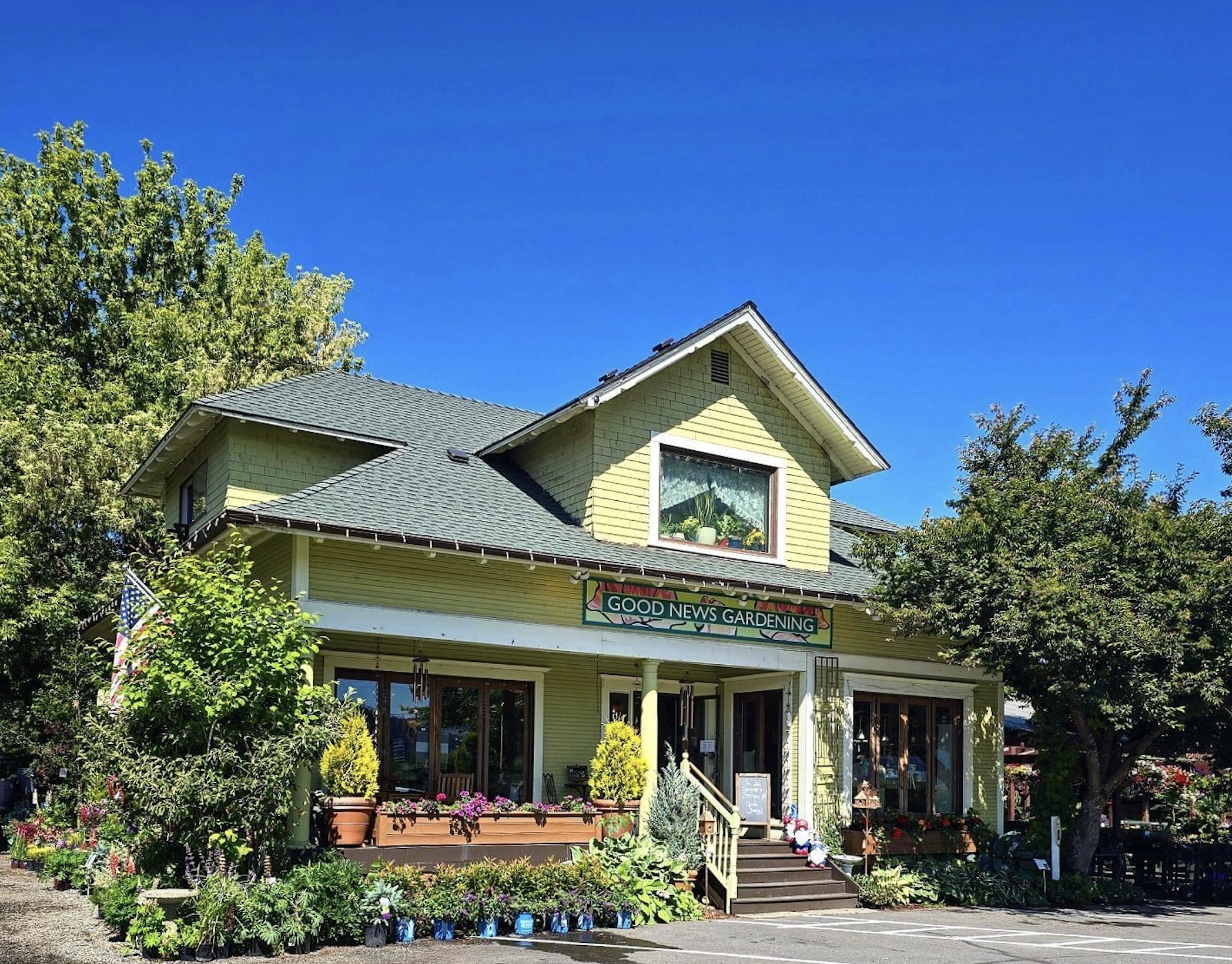
If you're unsure about the watering needs of a specific houseplant, stop by Good News Gardening. We'd be happy to help you find the right watering routine and keep your indoor jungle thriving all year long.
Check out our other blog posts for more helpful tips on doing your best gardening & growing in the Columbia River Gorge!


Comments