

How to Design a Garden Bed: The Complete Guide to Beautiful Color and Structure All Year Long
Have you ever planted a garden that looked amazing in May, only to find it overcrowded, mismatched, or disappointing by August?
You're not alone.
Recently, several customers asked if they could cut back healthy iris foliage because it was blocking other plants in their flower beds. The answer, unfortunately, is no.
While damaged or dead leaves can be removed, healthy iris foliage should remain in place to help fuel next year's blooms.
That conversation led us to a bigger question:
What if we had been able to help the gardener strategize about iris placement in the first place?
That's the secret behind beautiful garden beds.
The best landscapes aren't necessarily filled with rare plants or expensive flowers. They're thoughtfully designed around sunlight, mature plant size, bloom times, texture, color, and seasonal interest.

"Learning how to design a garden bed doesn't have to be complicated!"
Here's the Good News: Learning how to design a garden bed doesn't have to be complicated! With a little planning, you can create a landscape that looks beautiful in spring, summer, fall, and even winter. Since we didn't have a resource to point our customer to, we decided to make our own! So here we are: writing a comprehensive guide to planning your garden bed so you don't have any planters remorse later on!
Why Garden Bed Design Matters
Many gardeners shop with their eyes.
We've all done it.
A gorgeous plant catches your attention at the garden center, you bring it home, and it finds a spot in the first empty space available. A few years later, that tiny plant is three feet tall, four feet wide, and swallowing everything around it.
Garden bed design is really about planning for the future.
When you understand how plants grow together, your garden becomes easier to maintain, more colorful, and more enjoyable year after year.
Good News Gardening Tip: Before purchasing a plant, always check its mature height and width. Design for what the plant will become, not what it looks like today.
Start With Sunlight, Not Flowers
One of the biggest mistakes gardeners make is choosing plants before understanding their growing conditions.

Before designing a flower bed, spend a few days paying attention to sunlight.
Does the area receive six or more hours of direct sunlight? Is it shaded by trees during the hottest part of the afternoon? Does it stay cool and protected throughout the day?
The answers will determine which plants thrive and which ones struggle.
A sunny bed may be perfect for lavender, salvia, yarrow, coneflowers, and ornamental grasses. These plants love bright conditions and often reward gardeners with months of blooms and pollinator activity.
A shady garden offers different opportunities. Hostas, ferns, heuchera, astilbe, hellebores, and brunnera create rich layers of texture and color while thriving in lower light conditions.
The right plant in the right location is one of the simplest ways to create a successful garden.
Plan Your Garden Bed By Height
Check out this little graphic we made to help you remember our favorite layering formula for garden beds! Save it, share it, and use it as a quick reference guide as you're planning your garden bed!

If there's one design principle that can instantly improve almost any landscape, it's layering plants by height.
Think about a theater.
Everyone can see the performance because the seating is arranged in tiers.
Your garden should work the same way!
Think about a theater. Everyone can see the performance because the seating is arranged in tiers. Your garden should work the same way!

Tall plants belong in the back of beds that are viewed from one side. Medium-sized plants belong in the middle. Shorter plants should be placed near the front.
This allows every plant to contribute to the display rather than competing for visibility.
Irises, tall salvias, ornamental grasses, and larger hydrangeas often work beautifully toward the back of a planting.
Mid-sized plants like coneflowers, coreopsis, and daisies create the middle layer.
Groundcovers, creeping thyme, alyssum, and low-growing annuals help soften the front edge.
When plants are layered properly, the entire bed feels fuller, more balanced, and easier to appreciate from every angle.

Design With Perennials As Your Foundation
Think of perennials as the backbone of your landscape.
These are the plants that return year after year and provide the structure of your garden.
A well-designed perennial bed should offer interest long before flowers appear and long after blooms have faded.
Instead of choosing plants that all bloom at the same time, focus on creating a sequence of color.
Hellebores, daffodils, and tulips can begin the season in late winter and early spring.
Iris, peonies, and columbine take over as temperatures warm.
Summer favorites such as salvia, coneflower, lavender, yarrow, and hydrangeas carry the garden through the hottest months.
Asters, sedum, ornamental grasses, and chrysanthemums provide color well into autumn.
The goal is not to have everything blooming at once. The goal is to have something beautiful happening at all times.

Use Annuals Like the Finishing Touches
If perennials are the structure of your garden, annuals are the accessories.
Annual flowers provide flexibility and allow you to refresh your landscape each year.
Petunias, million bells, lantana, and zinnias can provide nonstop color from spring until frost in sunny locations.
Impatiens, begonias, coleus, and fuchsia are little floral gems that can bring so much vibrancy and life to shady areas where many flowering plants struggle.
Annuals are especially useful for filling empty spaces while young perennials mature.
Many professional landscapes rely on this exact strategy!
Texture Is The Secret Ingredient Many Gardeners Forget About

When people think about flower bed design, they usually focus on blooms.
Professional designers often focus on foliage first.
Why?
Because flowers come and go.
Leaves remain.
Imagine the contrast between a bold hosta leaf, a feathery fern, and the delicate foliage of heuchera.
Even without flowers, the combination is beautiful.
Mixing fine, medium, and bold textures creates movement, depth, and visual interest throughout the entire year.
The most memorable gardens often rely as much on foliage as they do flowers.
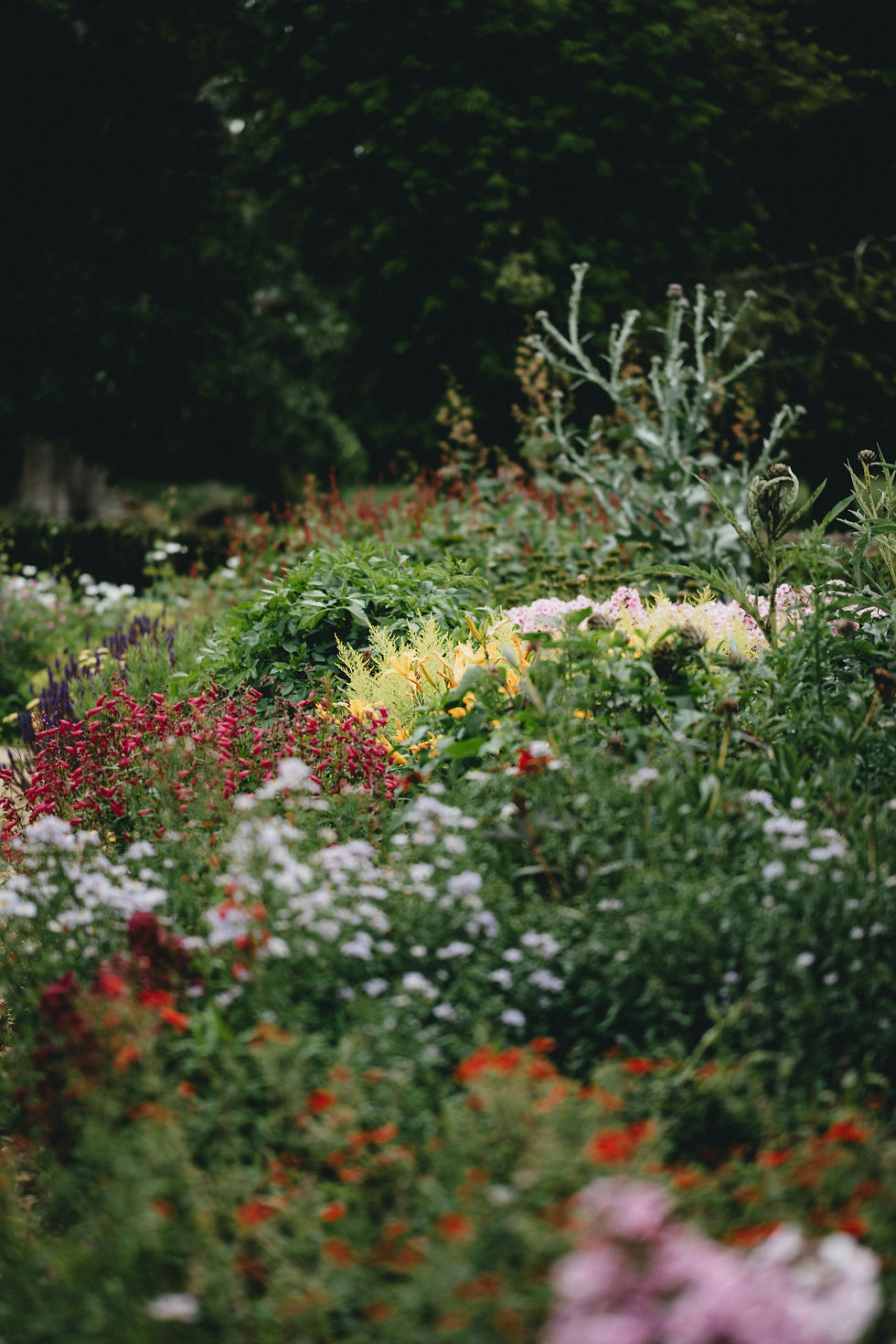
How to Create Color All Year Long
One of the most searched gardening questions is:
"How do I keep my garden colorful all year?"
The answer is surprisingly simple.
Plan your garden as a relay race.
As one group of plants finishes blooming, another should be preparing to take center stage.
Early spring belongs to hellebores, crocus, daffodils, and tulips.
Late spring showcases peonies, iris, and columbine.
Summer explodes with hydrangeas, salvias, coneflowers, lavender, and annual flowers.
Fall brings asters, sedum, ornamental grasses, and chrysanthemums.
Winter can still offer beauty through evergreen shrubs, red twig dogwood, berries, and ornamental grasses.
A garden designed this way never feels empty. Instead, it evolves throughout the year.
Three Garden Plans for Year Round Color
We created this little graphic as a quick guide for beginner, intermediate, and advanced gardeners! If you want a little reference sheet (free to download!) to help you remember how to plant and care for your garden, download this graphic to save for later!

The Budding Gardener
If you're new to gardening, it might be a good idea to focus on dependable performers.
A combination of hellebores, daffodils, iris, coneflowers, black-eyed Susans, sedum, and dwarf evergreens can provide nearly year-round interest with very little maintenance!
This is the perfect starting point for gardeners who want success without feeling overwhelmed.
Pro Tip: Make sure you pay attention to the sun/shade levels in your garden bed, as some of those flowers love shade and some need more sunlight throughout the day.
The Growing Gardener
Once you're comfortable dividing perennials, deadheading flowers, and experimenting with color combinations, you're ready to expand your palette!
Peonies, hydrangeas, lavender, yarrow, Japanese anemones, asters, and ornamental grasses provide incredible seasonal transitions and longer periods of interest.
The Queen Bee Gardener
For gardeners who love a challenge, roses, dahlias, delphiniums, foxgloves, clematis, tree peonies, and specialty shrubs create spectacular displays.
These plants often require more attention, but the rewards can be extraordinary.

Don't Forget the Pollinators
The most beautiful gardens aren't just attractive to people.
They're attractive to life.
Including pollinator plants throughout your landscape helps support bees, butterflies, hummingbirds, and beneficial insects.
Salvia, agastache, echinacea, bee balm, lavender, and native flowering perennials provide valuable food sources while contributing color and movement throughout the growing season.
A garden buzzing with pollinators simply feels alive.
Frequently Asked Questions
How do I design a garden bed for beginners?
Start by understanding sunlight conditions, choosing a few reliable perennials, and arranging plants by mature height. Focus on simplicity first and add complexity over time! There's always room to grow as a gardener. But with a little time and attention, we believe gardening is for everyone! YOU CAN DO IT!
What plants should go in the front of a flower bed?
Low-growing plants such as creeping thyme, alyssum, heuchera, and compact annuals generally work well near the front edge! Need help? Stop by the garden center today and we will help you choose a beautiful foliage that suites your space and highlights your garden!
How do I keep my garden colorful all year long?
Choose plants that bloom during different seasons and include evergreen shrubs, ornamental grasses, and colorful foliage plants for a little bit of winter interest.
How far apart should perennials be planted?
One of our pro tips is to always follow spacing recommendations based on mature size rather than container size!
Just because you're purchasing a plant in a 4" pot doesn't mean it will stay that way. There are some plants that like to roam and sprawl, and it's good to get an idea of how your plant is going to grow over time. That will help you with spacing our your garden in the early stages.
What plants grow well together?
Plants that share similar sunlight, soil, and watering requirements generally perform best together! If you're not sure if some of your favorites are going to go well together, you can always visit us at the garden center or shoot us a message on our Contact page!
Let Good News Gardening Help You Build Your Dream Garden
Every great garden starts with a plan!
Whether you're planting your very first flower bed or redesigning an established landscape, our team can help you choose plants that thrive together, provide year-round beauty, and fit your maintenance goals.
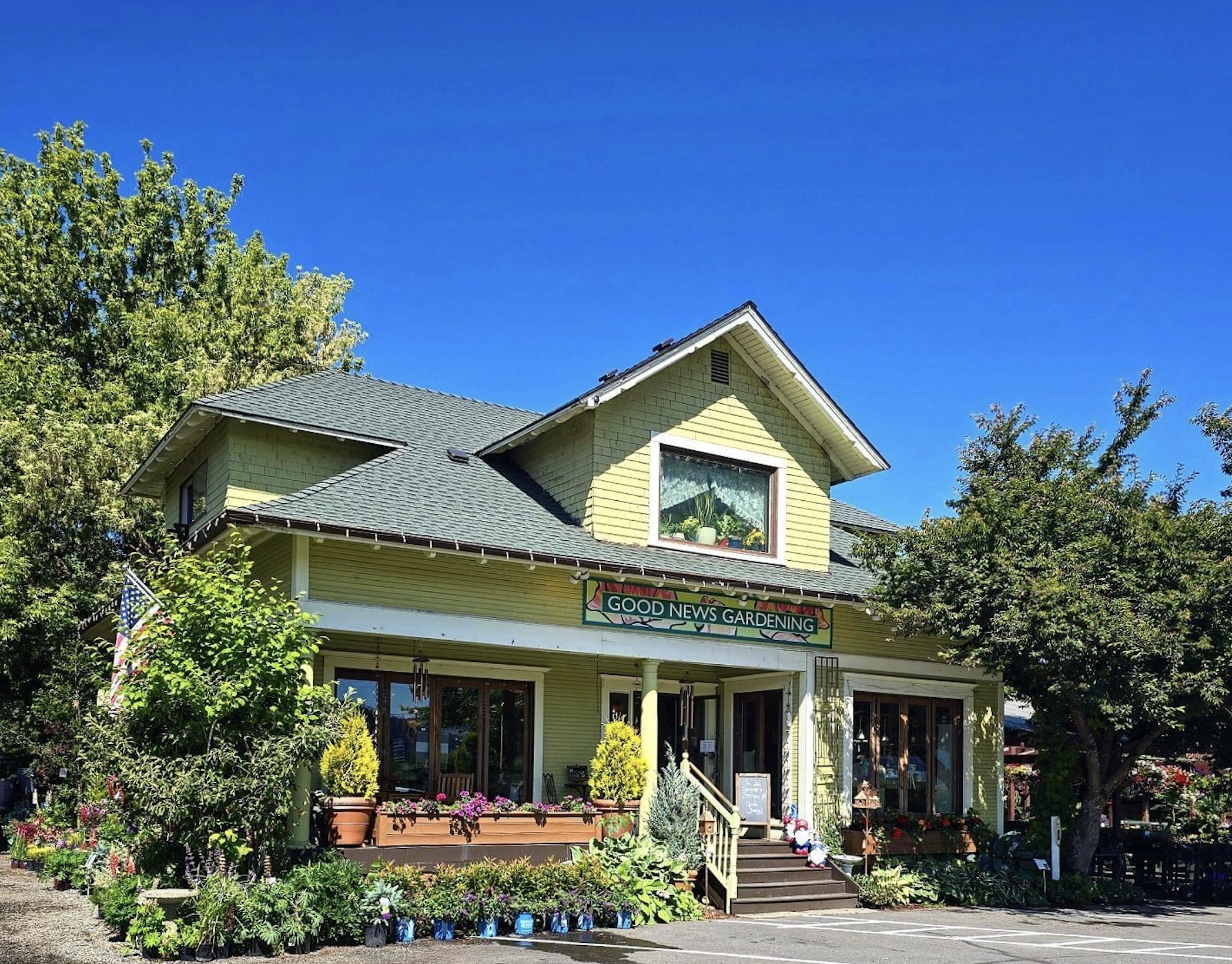
Stop by Good News Gardening and let us help you create a garden that grows more beautiful with every season.
Looking for more ways to improve your landscape? Next, check out...


Comments