

Attracting Pollinators & Building a Bee-Friendly Garden
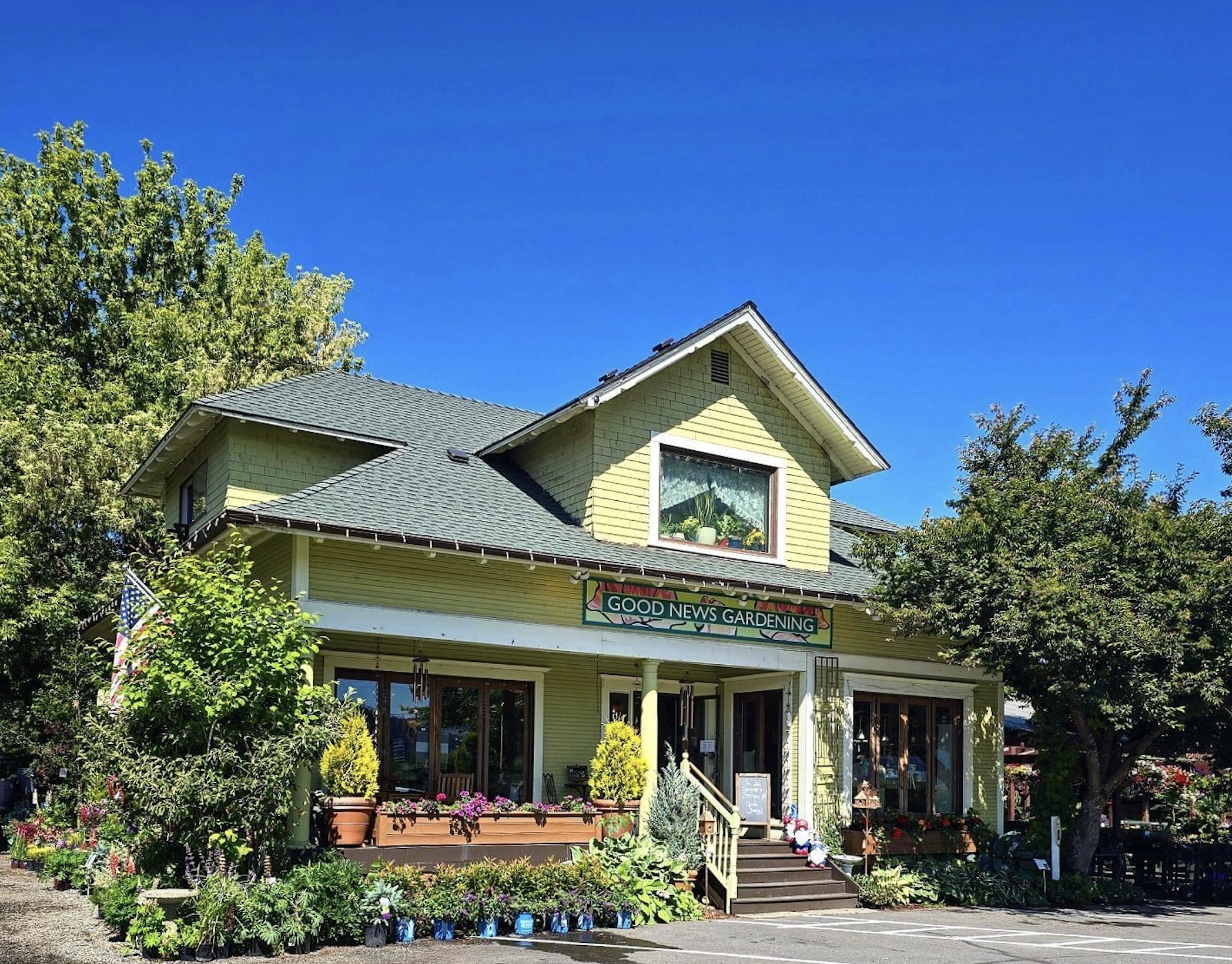
Pollinators are quietly doing some of the most important work in your garden.
From the tomatoes on your vine to the flowers in your beds, much of your garden’s success is made possible by bees, butterflies, and other beneficial insects. Without them, harvests are reduced, blooms are limited, and ecosystems begin to struggle.
The good news? A thriving, pollinator-friendly garden can be created with a few intentional choices. And it doesn’t have to be complicated!

Why Pollinators Matter in Your Garden
Pollinators are responsible for transferring pollen between flowers, allowing plants to produce fruit, seeds, and new growth.
In a healthy garden:
Yields are increased (especially for fruits and vegetables)
Blooms are more abundant
Biodiversity is supported
Natural balance is encouraged
When pollinators are welcomed into your space, your entire garden benefits.
How to Attract Pollinators Naturally
A pollinator-friendly garden is not built overnight! It can take intention and time, but the results are not only stunningly beautiful, but put so many good things back into our environment and community!

Choose the Right Plants
Plants that produce nectar and pollen are most attractive to pollinators. Native and regionally adapted plants tend to perform best, as they are already aligned with local ecosystems.
Woody shrubs:
Honeysuckle
Lilac
Butterfly Bush
Perennials:
Cosmos
Sunflowers
Echinacea (Coneflower)
Yarrow
Bee Balm
Annuals & Tender Perennials:
Black-eyed Susan
Rosemary
Salvia
Marigolds
Petunia
Fuchsia
Portulaca
These plants are not only beautiful but they are consistently visited by bees and butterflies throughout the season! If you want plants that host butterflies, picking plants that are both hosts and nectar producers is key. Host plants for caterpillars allows you to support the entire life cycle of a butterfly from caterpillar to adulthood.
Pro Tip: If you don't have room to plant these pollinators in the ground, hanging baskets do a fantastic job of luring and feeding pollinators like butterflies and hummingbirds!
Plant for Continuous Bloom
Pollinators need food from early spring through late fall.
A garden that is always in bloom will be more attractive and supportive.
Consider planting:
Early bloomers (spring bulbs, primrose)
Mid-season flowers (perennials, herbs)
Late-season plants (sedum, asters)
This ensures pollinators are supported throughout their entire lifecycle.
Did you know... hummingbirds aren't attracted to scent, but color? Welcome hummingbirds to your yard with a selection of vibrant, nectar-producing flowers!

Red is their favorite color, but they'll also get excited for pink, purple, blue, orange, and yellow blossoms. Keeping your garden blooming continuously will keep hummingbirds coming back to feast over and over.
Some favorite plant varieties for hummingbirds are...
Shrubs & Trees:
Lilac
Butterfly Bush
Azalea
Bottlebrush
Perennials:
Bee Balm
Columbine
Delphinium
Hollyhocks
Phlox
Annuals:
Fuchsia
Geraniums
Impatiens
Zinnia
Red Salvia
Avoid Chemical Pesticides, When Possible
Even small amounts of pesticides can be harmful to pollinators.
Instead:
Natural pest control methods should be used
Beneficial insects (like ladybugs) can be introduced
Healthy soil should be prioritized to reduce plant stress
A balanced garden is often able to regulate itself when chemicals are avoided.
We carry a huge line of organic, pollinator friendly fertilizers, soil enhancers, and more to help you create a rich, healthy garden! We also recognize that sometimes we have issues that need a little heavier-duty products. We also carry some of those items for when the situation truly calls for that.
Bees are some of the best pollinators and are also highly sensitive to chemicals. They are especially dangerous because bees co-dwell in colonies and they can bring poisons back to their hive that may infect the whole colony. If you'd like to bring more bugs to your garden, a great place to start is with...
Trees & Shrubs:
Apple
Willow
Blackberry
Raspberry
Rhododendron
Blueberry
Perennials:
Aster
Black-Eyed Susan
Goldenrod
Lupine
Purple Echinacea (or Coneflower)
Provide Water Sources
Pollinators need water just like any other living creature.
Simple solutions work best:

A shallow dish with stones
Birdbaths with landing spots
Drip irrigation areas where water collects
These small additions can make your garden significantly more inviting.
Create Shelter and Habitat
Pollinators are not just passing through. They are often looking for a place to rest or nest!
You can support this by:
Leaving some areas slightly wild
Avoiding over-pruning
Incorporating natural elements like wood or stems
A perfectly manicured garden may look tidy, but a slightly natural space is often more beneficial to our pollinator friends who are just looking for a safe place to hunker down.

Best Plants for a Pollinator-Friendly Garden in Oregon
In the Pacific Northwest, certain plants consistently perform well for pollinators.
Top choices include:
Lavender (drought-tolerant and highly attractive to bees)
Salvia (long bloom period)
Echinacea (great for bees and butterflies)
Yarrow (hardy and adaptable)
Milkweed (essential for monarch butterflies)
These plants are well-suited to Oregon’s climate and can thrive with proper care!
We carry all of these varieties here at Good News Gardening, so if you need help finding the perfect plants for your garden, just stop by and we can get you started!
Designing a Garden That Pollinators Love
Pollinators are more likely to visit gardens that feel abundant and easy to navigate.
A few design tips:
Plant in clusters instead of single plants
Use a variety of colors and shapes
Avoid overly sparse layouts
Mix heights and textures
The goal is to create a space that feels full, layered, and inviting.
A Garden That Gives Back

A pollinator-friendly garden is not just about aesthetics... it’s about stewardship.
When pollinators are supported:
Local ecosystems are strengthened
Food systems are improved
Future gardens are made possible
It’s a small shift that can create a lasting impact!
Start Building Your Pollinator Garden
If you’re not sure where to start, that’s exactly what we’re here for.
At Good News Gardening, we carry a wide selection of pollinator plants that are well-suited for our local climate. Whether you’re planting a full garden or adding a few containers, we’re happy to help you choose the right plants for your space.
Stop by the garden center and let’s build something that grows—together 🌿🐝
Check out our other blog posts for more helpful tips on doing your best gardening & growing in the Columbia River Gorge!


Comments